Installing a new HVAC system is a significant investment for any homeowner or business. Whether you are upgrading an old system or installing a brand-new one, it is important to understand the process and expectations. HVAC installation goes beyond simply setting up a unit—it requires careful planning, attention to detail, and coordination.
From selecting the right system for your space to ensuring a smooth, efficient installation, there are several steps involved. Having professional help ensures that the system operates efficiently from the start, and it reduces the risk of costly errors. A well-installed HVAC system not only improves comfort but also maximizes energy efficiency, contributing to lower utility bills in the long run.
Preparing for a Smooth HVAC Installation Process
- The Initial Assessment and Choosing the Right System
Before any installation takes place, a professional HVAC technician will conduct a thorough assessment of your home or business. This evaluation helps determine the correct size and type of system for your space. Factors such as square footage, insulation, window size, and number of rooms will influence the type of unit that is most effective.
Installing the right-sized system is essential; a unit that is too large or too small can lead to inefficiencies, higher energy costs, and premature wear. In some cases, HVAC contractors will also assess your existing ductwork and recommend any necessary upgrades or repairs. For instance, if you’re in Escondido, where temperatures can vary widely, choosing the right HVAC system is even more critical to ensure comfort and efficiency year-round.
- Installation Day: What to Expect
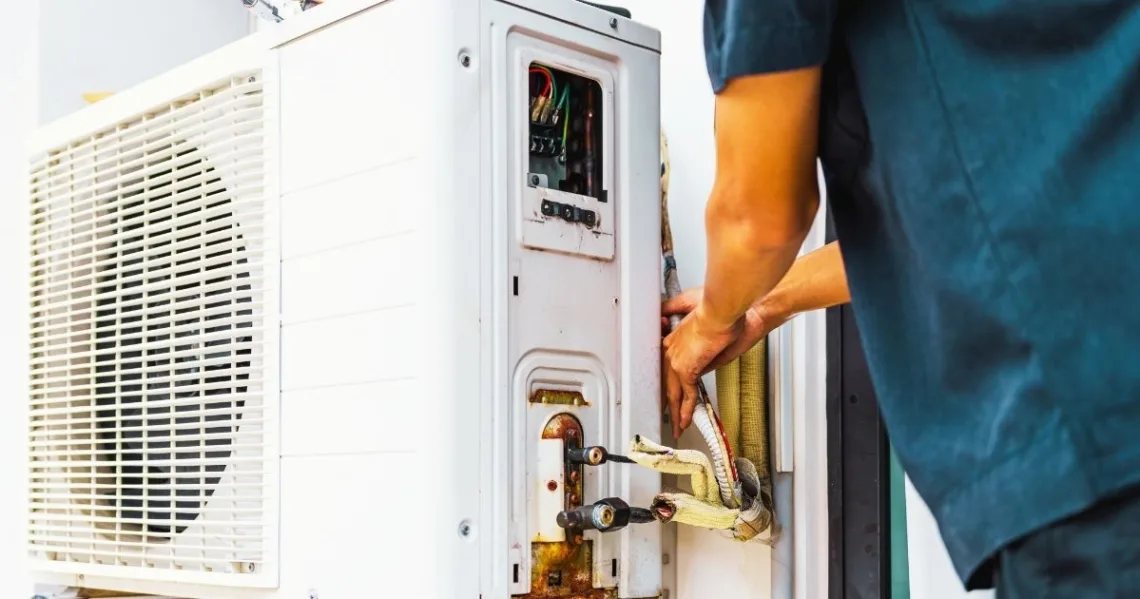
On the day of installation, professional HVAC contractors will begin by removing your old system if applicable. This step often requires disconnecting the old unit from electrical connections, refrigerant lines, and ductwork. After the removal, the installation team will begin setting up the new unit, ensuring that it is positioned correctly and that all necessary connections are made safely.
The technician will also install or modify ductwork if needed to ensure proper airflow and efficiency. Once the system is physically in place, the technician will check electrical connections, test the system’s operation, and ensure that everything is running as expected. Depending on the system’s complexity, the installation may take several hours or a full day. It’s essential to have professionals handle this process because they are trained to work safely and efficiently, avoiding any mishaps or complications during the installation.
- The Importance of Proper Calibration and Testing
After the HVAC system is installed, the technician will perform a series of tests to ensure that everything is functioning correctly. These tests include checking the system’s heating and cooling functions, airflow, thermostat calibration, and ensuring it runs quietly.
Proper calibration ensures the system operates at peak efficiency, minimizing energy consumption and extending the unit’s lifespan. If the system is improperly calibrated, it could cause unnecessary strain, higher energy costs, and potentially premature component failure. In addition to performance testing, technicians will ensure there are no refrigerant leaks, keeping your system safe and fully functional. Without professional help, it’s easy to miss these important steps, which could lead to costly repairs down the road.
- Why Professional Installation Is Essential for Efficiency
One of the key reasons professional HVAC installation is essential is that it directly affects the system’s efficiency and longevity. HVAC systems are complex and require precise installation to ensure optimal performance. Incorrect installation can lead to issues such as refrigerant leaks, air imbalances, and inefficient energy use.
Professional technicians are trained to handle all aspects of installation, including electrical connections, ductwork, refrigerant charging, and system testing. A poorly installed system can cause uneven heating or cooling, reduce comfort, and lead to higher utility bills. Additionally, improper installation may void the manufacturer’s warranty, leaving you responsible for repair costs. By hiring a professional HVAC contractor, you ensure that your system is installed correctly from the start, providing long-term comfort and efficiency.
The Value of Professional HVAC Installation
In conclusion, having professional help during your HVAC installation is critical for ensuring that the system operates efficiently, safely, and reliably. From the initial assessment and system selection to the final testing and post-installation support, the installation process involves several important steps that require technical knowledge and skill.
By hiring a professional HVAC contractor, you ensure that the system is properly sized, calibrated, and installed, which ultimately leads to lower energy bills and fewer repairs. Proper installation not only improves the comfort of your home or business but also extends the lifespan of your HVAC system, making it a valuable investment for your property.
Read also: How Can a Furnace Repair Service Help Improve Your Home’s Energy Efficiency?