Try booking a doctor’s appointment around two kids, a nine-to-five job, and weekend footy. It’s tight. That’s the reality for most families in Carina, Carindale, and Coorparoo, and it’s exactly why a skin cancer check in Brisbane so often gets pushed to “next month” — and then the month after that.
Here’s the thing worth knowing before you put it off again: Queensland has the highest melanoma rates in the world, a point Cancer Council Queensland has confirmed Queensland remains the skin cancer capital of the world. One in 14 Queenslanders will be diagnosed with melanoma at some point in their life. That’s not a scare tactic — it’s just where we live. Big sky, strong sun, decades of exposure most of us don’t think twice about.
Why This Actually Matters, Not Just in Theory
Winter doesn’t give your skin a break here the way it might in other states. UV damage is cumulative — it adds up over years of backyard cricket, beach weekends, and walking the dog at lunchtime. Cancer Council Queensland has also projected that invasive melanoma diagnoses could climb by more than 40 per cent if sun protection habits don’t improve.
So who should actually be getting a skin cancer check Brisbane service? According to Healthdirect Australia’s guide on when you should be checked for skin cancer, your risk goes up with age, a family history of skin cancer, past sunburn, fair skin, and a high number of moles.
If you’re concerned, consider scheduling a skin cancer check in Brisbane to ensure early detection and peace of mind. The same goes if your kids spend most weekends outside, which, let’s be honest, most kids in this part of Brisbane do.
And sunscreen still matters. Screening and prevention aren’t two separate things — they work as a pair.
What Actually Happens at the Appointment
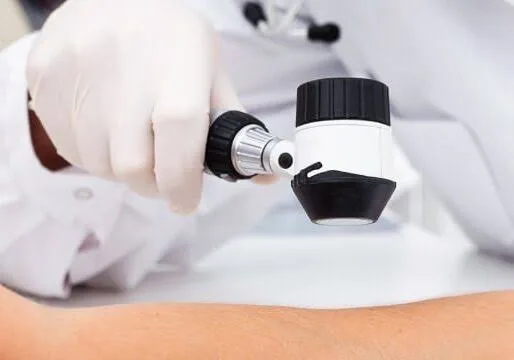
Nobody loves the unknown, so here’s what to expect. The doctor asks about your sun history and whether skin cancer runs in the family. Skin cancer checks Brisbane services are thorough and aim to catch any issues early. Then they check your skin, head to toe. If something looks worth a closer look, they’ll examine it properly and tell you straight — what it is, what happens next, whether that’s nothing at all or a referral for something more.
One visit gives you a snapshot. Going back to the same doctor over the years gives you something more useful: a record of what’s changed and what hasn’t. Medibank’s health team notes that GPs are often best placed for this kind of ongoing tracking, since they see patients regularly enough to notice when something looks different from one visit to the next.
The Real Problem: Fitting It Into Your Week
A skin cancer check in Brisbane is only useful if you can actually get there. This is where most families fall down — not because they don’t care, but because the appointment times on offer don’t match their lives.
If you’re both working full-time, evening or weekend slots make the difference between going and not going to a skin cancer screening Brisbane schedule. If you’ve got young kids, being able to get everyone checked in one visit saves you three separate trips. Shift workers need a clinic that’s open outside the usual Monday-to-Friday, nine-to-five window. And if you’ve just moved to the area, being able to get in within the week — not the month — matters more than you’d think.
Delayed appointments are the ones that quietly never happen.
What to Ask Before You Book
Don’t just turn up and hope. Ask about billing upfront, including whether private billing applies — nobody wants that conversation at the front desk. Ask if one doctor can see the whole family, so you’re not repeating your history five times over. Check how close it actually is to Carina or Carindale, because “nearby” means different things to different clinics. And see if you can book online instead of sitting on hold during school pickup.
A skin cancer clinic Brisbane families keep coming back to isn’t chosen once — it’s chosen because it kept working for them, appointment after appointment.
This Isn’t a One-Time Thing
The real value shows up over time, not in a single visit. A doctor who’s seen your skin before notices the mole that’s changed shape since last year. Regular skin cancer screening Brisbane service ensures that any changes are caught early, providing peace of mind. The family doctor can quickly arrange specialist referrals and is a familiar figure for children, helping them learn about sun safety naturally rather than through nagging.
Check your skin regularly, and if you’re at higher risk, book a full skin check with your doctor at a regular interval rather than waiting for something to look wrong first.
Finding time for a skin cancer check in Brisbane doesn’t have to be another thing on the to-do list you never get to. Find a clinic with hours that actually match your week, ask the questions that matter to you, and treat it as something you do regularly — not something you mean to do eventually.