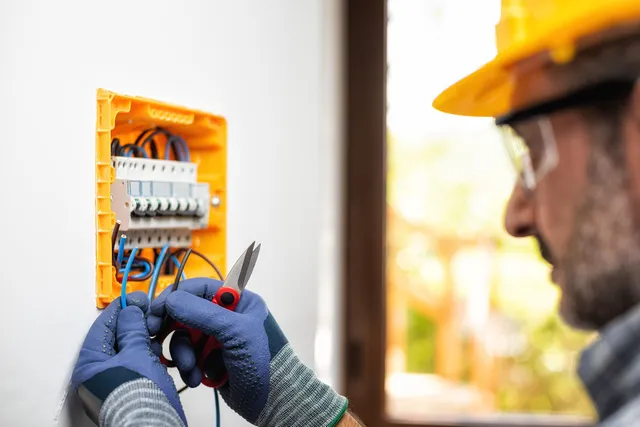
Electrical systems form the backbone of modern living, powering everything from lighting and appliances to communication devices and security systems. Despite their importance, these systems often remain hidden behind walls and ceilings, making it easy to overlook their condition and compliance status. Electrical services play a critical role in ensuring that installations, repairs, and upgrades meet established safety codes and regulatory standards.
These codes are not arbitrary; they exist to protect lives, prevent property damage, and ensure efficient energy use. When electrical systems are properly installed and maintained, they significantly reduce the risk of hazards such as fires, shocks, and equipment failures.
Understanding Compliance and Safety Basics
How Electrical Codes Shape Safe Installations
Electrical codes serve as the foundation for safe design, installation, and maintenance of electrical systems in residential, commercial, and industrial settings. These regulations are developed by governing bodies and updated regularly to reflect technological advancements and emerging safety concerns. Electrical services ensure that every aspect of a system, from wiring methods to circuit protection, aligns with these codes. Compliance is not just about passing inspections; it ensures that systems can handle expected loads and operate reliably over time.
Electricians interpret these codes and apply them in real-world scenarios, taking into account the specific layout and needs of each property. Without adherence to these standards, even minor installation errors can escalate into significant safety risks. Proper grounding, circuit sizing, and the use of approved materials all stem from code requirements, making electrical services essential in translating regulatory language into practical, safe outcomes.
The Role of Inspections and Professional Oversight
Routine inspections are a key component of maintaining electrical safety and code compliance. Electrical services often include thorough assessments of existing systems to identify outdated wiring, overloaded circuits, or improperly installed components. These inspections help uncover hidden issues that may not be immediately visible but could pose long-term risks.
In many cases, local authorities require inspections before approving new installations or major renovations, ensuring that all work meets regulatory expectations. Reliable providers of Delaware County Electrical Services often emphasize routine compliance checks to ensure homes and businesses meet current safety standards.
Beyond meeting legal requirements, inspections provide property owners with peace of mind, knowing their systems are functioning as intended. Electricians also document their findings and recommend necessary upgrades, helping property owners stay ahead of potential issues. This proactive approach reduces the likelihood of emergency repairs and contributes to a safer environment overall.
Preventing Electrical Hazards Through Proper Design
The design phase of any electrical system plays a significant role in preventing hazards and ensuring long-term safety. Electrical services contribute by carefully planning circuit layouts, load distribution, and equipment placement. A well-designed system minimizes the risk of overloads, short circuits, and voltage drops, all of which can lead to equipment damage or safety concerns.
Proper spacing of outlets, strategic placement of panels, and adequate ventilation for electrical components are all considerations required by compliance standards. Electricians also ensure that systems are adaptable, allowing for future expansions without compromising safety.
By addressing these factors early in the design process, electrical services help avoid costly modifications later. This attention to detail not only supports compliance but also enhances the system’s overall functionality, ensuring it can meet current and future demands without compromising safety.
Upgrading Aging Systems to Meet Modern Standards
Many older properties were built under outdated electrical codes that no longer meet current safety expectations. Electrical services play a vital role in upgrading these systems to align with modern standards. This often involves replacing old wiring, installing new circuit breakers, and updating panels to handle increased electrical loads.
Aging systems may lack essential safety features such as ground-fault circuit interrupters or arc-fault protection, both of which are now standard in modern installations. By bringing older systems up to code, electricians help reduce the risk of electrical fires and other hazards.
Upgrades also improve energy efficiency, as newer components are designed to operate more effectively. Property owners benefit from enhanced reliability and reduced maintenance issues. These improvements are not just about meeting regulations; they ensure that electrical systems can safely support the demands of contemporary living.
Ensuring Safe Integration of New Technologies
The increasing use of smart devices, renewable energy systems, and advanced appliances has added complexity to modern electrical systems. Electrical services are essential in ensuring that these technologies are integrated safely and in compliance with existing codes.
For example, installing solar panels or electric vehicle charging stations requires careful consideration of load capacity and circuit protection. Electricians assess the compatibility of new technologies with existing systems and make necessary adjustments to prevent overloads or inefficiencies. Compliance standards often evolve to address these innovations, making it important for electrical services to stay current with regulatory changes.
Proper installation ensures that new technologies operate safely and deliver their intended benefits. Without professional oversight, integrating advanced systems can lead to performance issues or safety risks. Electrical services bridge the gap between innovation and safety, ensuring that new technologies enhance rather than compromise system reliability.
The Importance of Documentation and Permits
Documentation and permits are often overlooked aspects of electrical work, yet they play a crucial role in ensuring compliance and accountability. Electrical services handle obtaining permits, preparing documentation, and coordinating with regulatory authorities.
This ensures that all work is officially recognized and meets the required standards. Proper documentation provides a record of the system’s design and modifications, which can be valuable during future inspections or property transactions. Permits also serve as a safeguard, ensuring that work is reviewed by qualified inspectors before being approved.
Skipping this process can lead to legal complications and safety risks, as unapproved work may not meet code requirements. Electrical services help property owners navigate these administrative processes, ensuring that every aspect of the project is compliant. This structured approach supports transparency and reinforces the importance of adhering to established safety standards.
Promoting Long-Term Safety Through Maintenance
Ongoing maintenance is essential for preserving the safety and functionality of electrical systems over time. Electrical services include regular check-ups, testing, and minor repairs that help keep systems in compliance with evolving standards. Components such as wiring, outlets, and circuit breakers can degrade with use, making periodic evaluation necessary. Maintenance services identify wear and tear before it becomes a significant issue, reducing the likelihood of unexpected failures. Electricians also update systems as codes change, ensuring continued compliance.
This proactive approach not only enhances safety but also extends the lifespan of electrical components. Property owners who invest in regular maintenance benefit from fewer disruptions and lower repair costs. Electrical services provide the expertise needed to keep systems operating efficiently while ensuring compliance with safety regulations, underscoring the importance of consistent oversight.
Electrical services play a central role in maintaining safe and compliant environments by ensuring systems meet established codes and standards. From initial design and installation to inspections, upgrades, and ongoing maintenance, every step contributes to reducing risks and improving reliability. Compliance is not merely a regulatory requirement; it is a practical approach to safeguarding people and property. As electrical systems continue to evolve, the importance of professional oversight grows.
Through careful planning, regular assessments, and adherence to updated codes, electrical services provide a framework for long-term safety. Their contribution extends beyond technical work, fostering confidence and stability in the spaces where people live and work.
Read also: Expert HVAC Repair Solutions for Residential, Commercial, and Industrial Climate Control Systems