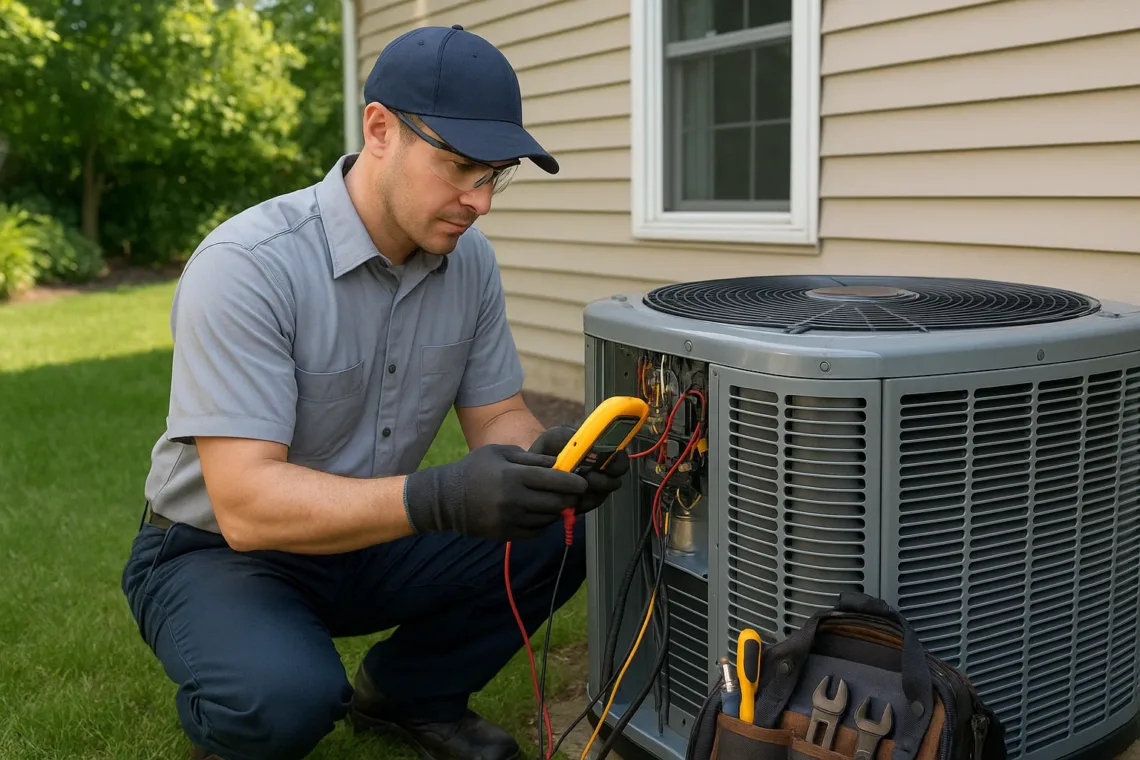
Selecting a heating and cooling contractor plays a major role in how well a system performs over many years. Heating and cooling systems are long-term investments, and their efficiency depends not only on the equipment but also on the quality of installation, maintenance approach, and ongoing support. A careful decision at the start can reduce energy waste, improve indoor comfort, and limit frequent breakdowns.
Many property owners focus only on initial pricing, but long-term performance is influenced by technical skill, communication, and service consistency. Understanding what to look for helps avoid unnecessary costs and system strain. The following sections explain key considerations that support better decision-making and improved system longevity over time.
Understanding the selection process
Evaluating contractor qualifications and background
When choosing a heating and cooling contractor, examining qualifications and work history provides a foundation for making an informed decision. A contractor’s training, licensing status, and experience with different systems can influence how effectively they handle installation and maintenance tasks. It is also important to understand how long they have been operating in the field and whether they have worked on systems similar to yours. Contractors with consistent hands-on experience tend to recognize issues early and apply solutions that support long-term system stability. In addition, communication style matters because clear explanations help property owners understand system requirements and maintenance needs.
A contractor who takes the time to explain processes often contributes to better system care. Consistency in workmanship and attention to detail also reflect how well the system will perform after installation. These factors, combined, help determine whether the contractor is suitable for maintaining efficiency over the equipment’s lifespan.
Assessing service quality and long-term reliability
Service quality extends beyond the initial installation and encompasses how well a contractor supports ongoing system performance. A dependable contractor will prioritize long-term efficiency by ensuring that systems are properly calibrated, tested, and maintained after setup. This reduces strain on components and helps avoid unnecessary energy consumption. One company many property owners cite in discussions about consistent service delivery is Long Heating and Cooling, which illustrates how reputation can be tied to long-term reliability and system care.
Response time, maintenance planning, and attention to detail all contribute to a system’s continued efficient operation over time. Contractors who offer structured maintenance support are more likely to preserve equipment lifespan and reduce unexpected failures. It is also important to observe how they handle service requests and whether they provide clear guidance for system upkeep. Reliable service behavior often translates into smoother system performance and fewer disruptions in heating and cooling consistency throughout the year.
Importance of installation methods and system setup
Proper installation methods directly impact how efficiently a heating and cooling system operates over time. Even high-quality equipment can underperform if it is not installed correctly. Contractors must ensure that airflow, duct connections, electrical setup, and refrigerant levels are properly balanced during installation. Small errors at this stage can lead to long-term inefficiencies such as uneven temperature distribution, higher energy use, and frequent repairs. A careful setup process reduces stress on system components and allows them to function as intended.
Attention to detail during installation also supports smoother operation during seasonal changes when systems are under higher demand. Additionally, proper sizing of building equipment ensures the system does not overwork or underperform. When installation is handled with precision, the system requires fewer corrections over time, contributing to consistent performance and reduced operational strain over many years of use.
Role of maintenance planning in system efficiency
Regular maintenance is a key factor in preserving the efficiency of heating and cooling systems. A well-planned maintenance schedule helps identify minor issues before they develop into major faults. Contractors who provide structured maintenance services ensure that filters, coils, and mechanical components remain in good condition.
This reduces energy consumption and supports consistent airflow throughout the building. Maintenance also helps prevent sudden breakdowns during extreme weather, when systems are needed most. Cleaning and inspecting internal components allows the system to operate smoothly without unnecessary resistance or blockage.
Over time, this consistent care reduces wear and tear on critical parts, extending the lifespan of the entire system. Property owners benefit from lower repair costs and more stable indoor temperatures. A contractor who emphasizes preventive care contributes significantly to long-term performance and reduces the likelihood of unexpected system interruptions that could affect comfort and efficiency.
Communication and transparency in contractor services
Clear communication between a contractor and property owner is essential for maintaining the efficiency of heating and cooling systems. When contractors provide transparent explanations about system conditions, maintenance needs, and repair requirements, it becomes easier to make informed decisions. Miscommunication can delay issue resolution, leading to reduced performance or increased energy use. A contractor who documents service activities and explains technical matters in simple terms helps build trust and supports better system care. Transparency also includes providing accurate timelines and realistic expectations for repairs or installations. This reduces confusion and allows property owners to plan accordingly.
When communication is consistent, it becomes easier to track system performance and identify patterns that may require attention. Over time, this collaborative approach ensures that the heating and cooling system operates smoothly and efficiently, reducing unnecessary stress on equipment and improving overall comfort within the property.
Energy efficiency awareness and system optimization
Energy efficiency is a major consideration when selecting a heating and cooling contractor, as it directly affects long-term operating costs and system performance. Contractors who understand energy optimization techniques can recommend adjustments that improve airflow, reduce waste, and maintain stable indoor temperatures. Proper system calibration ensures that energy is used effectively rather than being lost through inefficient operation. This includes evaluating insulation levels, duct performance, and equipment compatibility.
A well-optimized system reduces strain on mechanical parts, allowing them to function more smoothly over time. Energy-aware contractors also help property owners understand how usage habits impact system efficiency. Small adjustments in settings or maintenance routines can lead to noticeable improvements in performance. When energy efficiency is prioritized during installation and maintenance, the system remains more stable and cost-effective throughout its lifespan, supporting both environmental responsibility and reduced operational expenses.
Choosing a heating and cooling contractor has a lasting impact on system efficiency, performance, and overall comfort. A thoughtful selection process considers installation quality, maintenance approach, communication style, and awareness of energy efficiency. Each of these elements contributes to how well the system functions over time and how effectively it manages energy use.
Contractors who focus on long-term care help reduce breakdowns and support consistent operations under varying conditions. Property owners benefit from lower costs, improved reliability, and stable indoor environments. Making an informed choice at the beginning ensures that the heating and cooling system continues to perform efficiently and reliably for many years without unnecessary strain or disruption.
Read also: The Role of Electrical Services in Ensuring Code Compliance and Safety Standards