Key Takeaways:
- Selling land privately can save on realtor commissions, offering more control over the sales process.
- Understanding the unique aspects of land sales is crucial for a successful private transaction.
- Proper preparation, marketing, and legal knowledge are essential when selling land without a realtor.
Understanding the Benefits of Private Land Sales
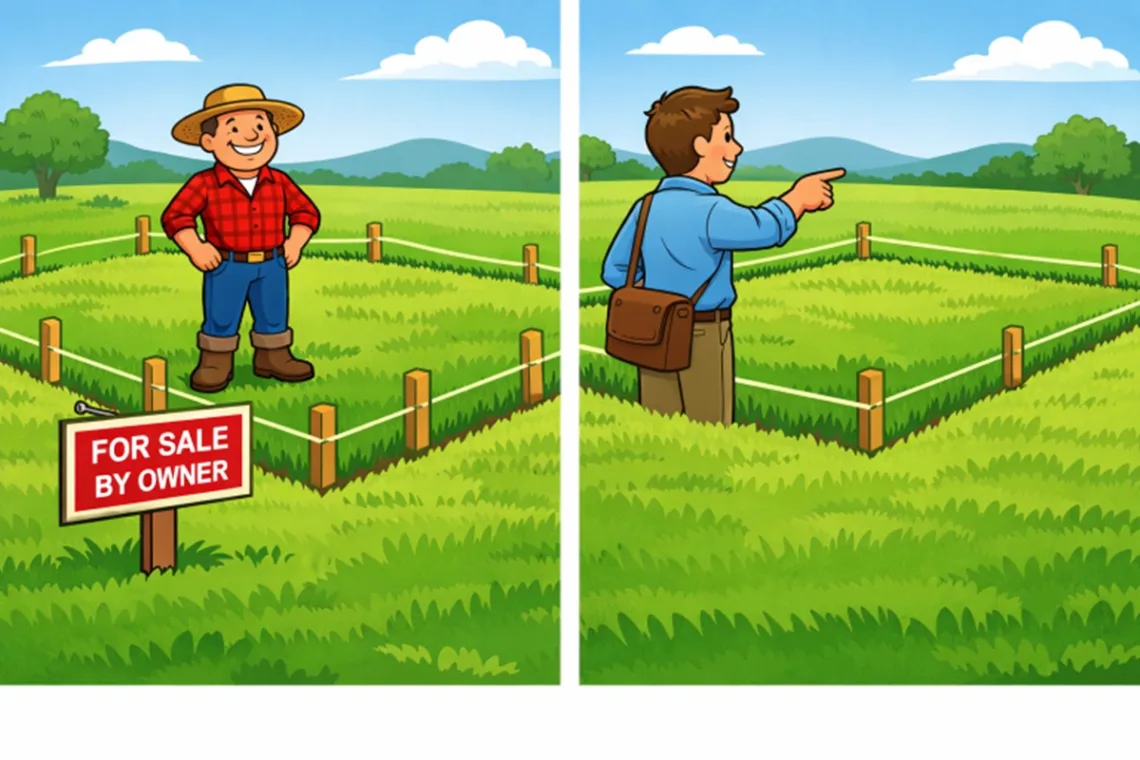
Choosing to sell land without a realtor, a method commonly known as For Sale By Owner (FSBO), enables landowners to eliminate commission fees, which often range between 6 percent and 10 percent of the final sale price. This cost-saving approach also allows sellers to customize every aspect of the sales process, including pricing, marketing, and negotiation strategies. By taking full ownership of the transaction, you are able to make decisions quickly and respond directly to interested buyers. For more insights and strategies on private land sales, visit https://www.atlaslandbuyers.com/.
However, selling land independently requires careful preparation and a solid understanding of the local real estate market. Unlike residential sales, selling vacant land comes with its own set of challenges and considerations that can impact the sale’s success. This means you must dedicate time to learning about zoning rules, environmental requirements, and potential buyer preferences in your area.
Preparing Your Land for Sale
Before placing your land on the market, take the necessary steps to enhance its appeal. Start by clearing debris, removing any overgrown vegetation, and clearly marking the property boundaries. A clean, well-presented lot not only makes a strong impression but also demonstrates pride of ownership, reassuring potential buyers that the property has been well-maintained. Detailed property information is equally important; provide clarity on soil quality, permitted uses under zoning regulations, and available utilities such as water, sewer, and electricity access.
High-quality, recent photographs of the land are essential. Pair these images with a compelling and honest property description that highlights any unique characteristics, such as panoramic views, access to water, or proximity to main roads. Proper presentation can significantly impact both the interest level and perceived value of your parcel when compared with similar properties.
In addition to these efforts, sellers may also wish to explore resources available through atlaslandbuyers.com, which offers additional guidance and tools for maximizing your land’s visibility and appeal.
Setting the Right Price
Accurate pricing is crucial when selling land privately. Start by researching comparable land parcels in your area that have recently sold or are currently listed for sale. Pay attention to location, lot size, and access to utilities or roads. Pricing too high may discourage interest, while an underpriced parcel can result in financial loss. Online valuation tools and professional appraisers are valuable resources. Consulting these professionals can help ensure your property is priced effectively and competitively, setting the stage for a successful transaction. For additional information, visit reputable sites like Bankrate, which provides a thorough overview of land pricing strategies.
Marketing Your Property Effectively
Attracting serious buyers requires effective marketing. Leverage online real estate listing services, social media platforms, and local classified ads to increase your property’s visibility. Highlight features that set your property apart, such as recreational opportunities, investment potential, or unique environmental characteristics. Be sure to include clear contact details and be responsive to inquiries. Hosting open houses or offering virtual tours online can further engage interested buyers, allowing them to explore the property from anywhere and make more informed decisions.
Navigating Legal Requirements
Navigating the complexities of a private sale requires more than just a list of interested buyers; it involves a rigorous understanding of zoning laws, property titles, and the fine print of sales contracts. Many sellers find that the most efficient way to mitigate risk is to work with a business and real estate lawyer in Miami who can offer specific guidance on the regulatory environment. This level of professional oversight ensures that all disclosures are handled correctly and that the transition of ownership remains legally sound. By addressing these administrative hurdles early, you can focus on the logistics of the sale and securing a fair market price for your undeveloped acreage.
Negotiating with Buyers
Effective negotiation is a core part of selling land privately. Be ready to discuss and compromise on price, closing timelines, and any contingencies. Ensure all negotiations are documented in writing to protect both parties and make sure all aspects of the agreement are clear and enforceable. Open and transparent communication fosters trust and can accelerate the closing process, resulting in a satisfying outcome for both you and the buyer.
Closing the Sale
After reaching an agreement, move forward with the closing process. This step includes signing the purchase agreement, transferring the deed, and completing all required financial and governmental forms. Double-check all documents for accuracy to prevent delays or legal issues. Once all conditions are met, official ownership can be transferred, and the sale is finalized.
Potential Challenges and Considerations
While selling land independently gives you more control and can save on realtor commissions, it requires a significant investment of time and effort. Private sales often take longer, especially in slower markets or areas with less demand. There’s also a learning curve regarding marketing, legal requirements, and negotiation techniques. A 2022 report from Realtor.com found that properties marketed exclusively through private channels often lingered on the market longer than those displayed more widely. This underscores the importance of comprehensive marketing and well-prepared sales materials.
In conclusion, selling land privately is a viable and potentially rewarding option for landowners who are prepared to take on the responsibilities involved. By carefully preparing your property, accurately pricing it, marketing it effectively, addressing legal requirements, and negotiating confidently, you can navigate the process successfully and achieve your goals as a private seller.