Business success is no longer determined only by the quality of products or services a company offers. In today’s competitive environment, the ability to adapt quickly has become just as important. Markets shift faster than ever, customer expectations continue to evolve, and businesses regularly face new operational challenges that require practical solutions rather than long-term delays. Companies that respond quickly to these changes often outperform competitors, making flexibility one of the most valuable business assets in 2026.
One area where this shift is becoming increasingly visible is commercial infrastructure. For many years, expanding business operations meant investing in permanent buildings, renting additional warehouse space, or purchasing new commercial property. While those options still have their place, they often require significant investment, lengthy approval processes, and months before becoming operational. Modern businesses need infrastructure that can be deployed faster, adjusted more easily, and continue delivering value as operational requirements change.
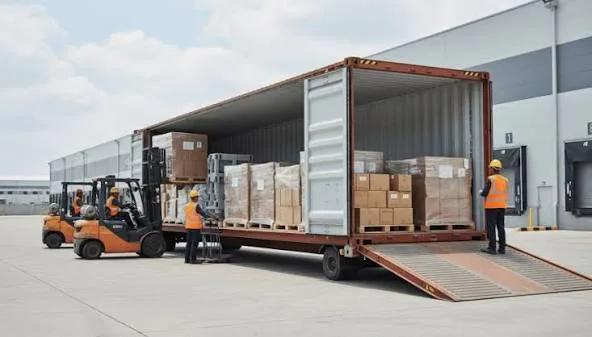
This is exactly why shipping containers have become far more than transportation equipment. Businesses across construction, logistics, retail, agriculture, manufacturing, healthcare, and countless other industries are using them to solve everyday operational problems while preparing for future growth. Instead of seeing them as simple steel boxes, companies now recognize them as flexible business assets capable of supporting expansion without the limitations of traditional construction.
Business Growth Rarely Happens on a Fixed Schedule
No company can predict exactly when its next major opportunity will arrive. A business may suddenly win a large contract, expand into a new city, increase inventory because of seasonal demand, or hire additional employees within a short period. These positive developments create new space requirements almost immediately.
Traditional construction often struggles to keep pace with this level of change. Designing a building, securing permits, preparing land, and completing construction can take several months before the facility becomes usable. During that waiting period, businesses may lose valuable opportunities simply because the necessary infrastructure is not available when it is needed most.
Modern organizations are increasingly focusing on solutions that allow them to respond immediately rather than waiting for permanent facilities to catch up with operational growth. Faster deployment helps maintain business momentum while reducing unnecessary delays.
Making Better Use of Existing Commercial Property
Many commercial properties contain unused areas that contribute very little to everyday operations. Empty corners of industrial yards, unused parking areas, open warehouse space, or undeveloped sections of business property often remain idle for years despite occupying valuable real estate.
Instead of purchasing additional land, many businesses are choosing to maximize the value of existing property. Creating organized storage areas, temporary offices, equipment facilities, maintenance workshops, or project management spaces allows organizations to increase productivity without changing their overall footprint.
This smarter approach to property utilization helps businesses improve operational efficiency while making every available square foot contribute toward long-term growth.
Flexibility Has Become More Valuable Than Permanence
Business strategies today look very different from those of a decade ago. Companies frequently launch new services, enter different markets, relocate projects, or adjust operations according to changing customer needs. Infrastructure that cannot adapt often becomes an obstacle instead of an advantage.
Flexible commercial solutions allow organizations to scale their operations without committing to expensive permanent structures every time requirements change. Additional workspace can be introduced when demand increases and repurposed later as business priorities evolve.
This ability to adapt provides companies with greater confidence when planning future expansion because infrastructure no longer limits operational decisions.
Improving Daily Operations Through Better Organization
Well-organized businesses usually perform more efficiently. Employees spend less time searching for equipment, inventory remains easier to manage, and workflows become smoother when every department has dedicated operational space.
As businesses continue growing, maintaining organization becomes increasingly important. Equipment, tools, spare parts, documents, production materials, and finished inventory all require secure and accessible storage. Poor organization often leads to delays, reduced productivity, and unnecessary operational costs.
Creating dedicated spaces for different business activities improves communication between departments while supporting faster and more consistent daily operations.
Supporting Industries That Constantly Move
Some industries rarely operate from one permanent location. Construction companies complete projects across different cities, infrastructure contractors establish temporary worksites, agricultural businesses move equipment throughout the year, and mining operations relocate as production areas change.
Permanent buildings cannot easily follow these changing operational requirements. Portable commercial infrastructure allows businesses to move facilities alongside their projects, reducing setup time while maintaining operational consistency wherever work takes place.
This mobility creates long-term value because the same infrastructure continues supporting multiple projects instead of being limited to one location.
Protecting Valuable Business Assets
Every business depends on equipment, inventory, and materials that represent significant financial investment. Exposure to harsh weather, theft, poor storage conditions, or accidental damage can increase operating costs while disrupting productivity.
Reliable commercial infrastructure helps protect these valuable assets by providing secure environments designed for demanding conditions. Better protection extends equipment lifespan, reduces maintenance expenses, and minimizes unexpected downtime.
Protecting business resources is no longer simply about security. It is about maintaining operational continuity and ensuring that expensive assets continue generating value for many years.
Preparing for Long-Term Business Success
Successful companies rarely focus only on today’s requirements. They prepare for future opportunities by investing in infrastructure capable of supporting continued growth. Markets evolve, customer expectations change, and technology continues advancing, making flexibility an essential part of long-term planning.
Organizations investing in shipping containers understand that adaptable infrastructure provides advantages that extend far beyond additional storage. It supports expansion, improves operational efficiency, strengthens organization, and creates the flexibility needed to respond confidently whenever new business opportunities appear.
Conclusion
Business infrastructure is changing alongside the modern marketplace. Instead of relying entirely on permanent construction, organizations are increasingly choosing flexible solutions that allow them to respond faster, organize operations more effectively, and prepare for future growth without unnecessary delays.
As 2026 continues bringing new challenges and opportunities, businesses that invest in adaptable infrastructure will be better positioned to expand efficiently while maintaining the agility required in an increasingly competitive world.
Frequently Asked Questions
1. Why are businesses investing in flexible infrastructure?
Because it allows them to respond faster to growth, changing market conditions, and new operational requirements.
2. Which industries use shipping containers the most?
Construction, logistics, manufacturing, agriculture, retail, mining, healthcare, and education all use them for various commercial applications.
3. Can shipping containers be customized?
Yes. They can be converted into offices, workshops, storage units, retail spaces, equipment shelters, and many other specialized facilities.
4. Are shipping containers suitable for long-term business use?
Yes. Their durable steel construction makes them a reliable long-term infrastructure solution when properly maintained.
5. Why are shipping containers becoming more popular in 2026?
Businesses value their flexibility, durability, scalability, and ability to sup