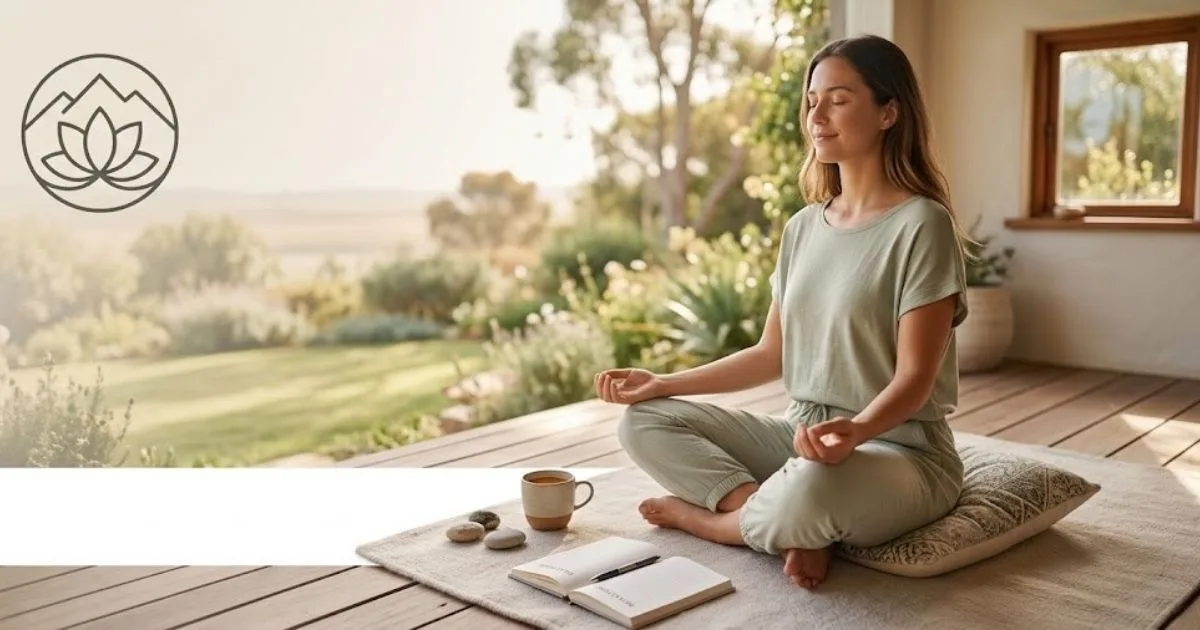
Introduction
Many people struggle with stress, anxiety, and emotional fatigue in daily life. While therapy and medication can help, simple spiritual practices often provide steady and lasting support for mental well-being.
These practices are easy to adopt and require little time, yet they can reshape how you think and feel. In this article, you will learn how daily spiritual habits improve mental health, why they work, and how to apply them in your routine in a practical way.
What Are Daily Spiritual Practices?
Daily spiritual practices are simple activities that help you connect with your inner self, purpose, or a higher sense of meaning. These are not limited to religion. They include habits that promote awareness, calmness, and emotional clarity.
Common Examples
- Meditation or mindful breathing
- Prayer or gratitude journaling
- Reading spiritual or uplifting content
- Spending quiet time in reflection
- Acts of kindness and compassion
Why They Matter
Spiritual practices create a pause in your routine. They help you step away from noise and focus on what truly matters. Over time, this builds emotional stability and mental strength.
Daily spiritual practices are simple, intentional habits that help you reconnect with your inner self and create mental clarity.
How Spiritual Practices Reduce Stress and Anxiety
Stress often comes from constant thinking, worrying, and reacting. Spiritual practices slow this cycle down and help your mind rest.
The Science Behind It
Research from organizations like the American Psychological Association shows that mindfulness and meditation reduce cortisol, the stress hormone. Lower cortisol means less anxiety and better emotional balance.
When you practice stillness daily, your brain learns to respond instead of react. This reduces overthinking and emotional overwhelm.
Practical Techniques
- Focus on your breath for 5 minutes every morning
- Write down three things you are grateful for
- Repeat calming affirmations
Interestingly, creative activities can also act as spiritual tools. For example, using tools to edit images online for vision boards or calming visuals can enhance mindfulness and emotional focus.
Regular spiritual habits calm the nervous system, reduce stress hormones, and help you respond to life with clarity instead of panic.
How Spirituality Improves Emotional Resilience
Life challenges are unavoidable. What matters is how you handle them. Spiritual practices build emotional resilience by strengthening your inner foundation.
What Is Emotional Resilience?
Emotional resilience is your ability to recover from stress, setbacks, or emotional pain without losing stability.
How Spiritual Habits Help
- They provide perspective during difficult times
- They remind you that struggles are temporary
- They create a sense of purpose and direction
When you reflect daily, you begin to see patterns in your thoughts. This awareness helps you manage emotions better instead of being controlled by them.
Example
Someone who practices daily gratitude is less likely to feel defeated. They naturally shift focus from problems to possibilities.
Spiritual routines strengthen emotional resilience by helping you stay grounded and focused during life’s challenges.
The Role of Mindfulness in Mental Well-Being
Mindfulness is one of the most powerful spiritual practices. It simply means being present in the moment without judgment.
Why Mindfulness Works
Most mental stress comes from thinking about the past or worrying about the future. Mindfulness brings your attention back to the present.
According to Harvard Health Publishing, mindfulness improves focus, reduces anxiety, and enhances overall mental clarity.
Simple Mindfulness Exercises
- Observe your breathing for a few minutes
- Pay full attention while eating or walking
- Notice your thoughts without reacting to them
Daily Integration
You do not need extra time for mindfulness. You can practice it during routine activities like drinking tea or taking a walk.
Mindfulness improves mental well-being by anchoring your thoughts in the present moment and reducing unnecessary worry.
How Gratitude Transforms Your Mindset
Gratitude is a simple but powerful spiritual tool. It shifts your focus from what is missing to what is already present.
Psychological Benefits
Studies show that gratitude improves mood, increases happiness, and reduces depression symptoms.
How to Practice Gratitude Daily
- Write three things you are thankful for each day
- Express appreciation to others
- Reflect on small positive moments
Why It Works
Your brain naturally focuses on problems. Gratitude rewires this habit and trains your mind to notice positive aspects of life.
Practicing gratitude daily rewires your brain to focus on positivity, improving mood and emotional balance.
Building a Simple Daily Spiritual Routine
You do not need a complex plan. Consistency matters more than duration.
Step-by-Step Routine
- Start with 5 minutes of silence or meditation
- Write a short gratitude note
- Read something uplifting
- Set a positive intention for the day
Tips for Consistency
- Keep your routine short and realistic
- Practice at the same time each day
- Avoid distractions during your practice
Common Mistakes to Avoid
- Expecting instant results
- Skipping practice due to a busy schedule
- Treating it like a task instead of a habit
You can also explore simple digital tools or guides from platforms like Blessify Daily that focus on mindful living and spiritual growth.
A consistent, simple routine is more effective than a complex one that you cannot maintain.
The Connection Between Spirituality and Purpose
A strong sense of purpose is essential for mental well-being. Spiritual practices help you discover and strengthen that purpose.
Why Purpose Matters
People with a clear sense of purpose experience less anxiety and more life satisfaction. They feel more motivated and emotionally stable.
How Spiritual Practices Help
- They encourage self-reflection
- They help clarify your values
- They align your actions with your beliefs
Real-Life Impact
When your actions match your values, you feel less internal conflict. This leads to peace of mind and stronger mental health.
Spiritual practices help you discover purpose, which brings clarity, motivation, and emotional stability.
FAQs
1. How long does it take to see results from spiritual practices?
Most people notice small changes within a few weeks, but lasting benefits come with consistent practice.
Consistency in spiritual habits leads to gradual but lasting improvements in mental well-being.
2. Do I need to follow a religion to practice spirituality?
No, spirituality is personal and does not require religious beliefs.
Spirituality is flexible and can be practiced by anyone regardless of religious background.
3. Can spiritual practices replace therapy?
No, they support mental health but should not replace professional help when needed.
Spiritual practices complement therapy but are not a substitute for professional treatment.
4. What is the easiest spiritual practice to start with?
Gratitude journaling or mindful breathing are the simplest and most effective starting points.
Simple practices like gratitude and breathing are easy to adopt and highly effective.
5. How often should I practice spirituality?
Daily practice is ideal, even if it is just for a few minutes.
Daily consistency matters more than long or occasional sessions.
Conclusion
Daily spiritual practices offer a simple yet powerful way to improve mental well-being. They reduce stress, build emotional resilience, and help you stay grounded in a fast-moving world. By practicing mindfulness, gratitude, and reflection, you create a strong mental foundation that supports long-term happiness and clarity.
The key is consistency. Even a few minutes each day can transform your mindset and emotional health over time.
Daily spiritual habits improve mental well-being by reducing stress, building resilience, and creating a deeper sense of purpose and inner peace.
Read also: Fast-Track Your Comfort: Understanding the 2026 UK Hypnos Mattress Delivery Time