Installing a new HVAC system is a significant step toward improving indoor comfort, energy use, and overall air quality in a home or commercial space. While many people focus on the final outcome, the installation process itself involves several detailed stages that ensure the system performs as intended. From the initial assessment to the final testing, each phase plays a role in creating a reliable and efficient setup.
Understanding what happens during installation helps reduce uncertainty and allows property owners to prepare their space, schedule, and expectations in advance. It also builds confidence in the process and ensures fewer surprises once work begins on-site.
Professional HVAC Installation Process
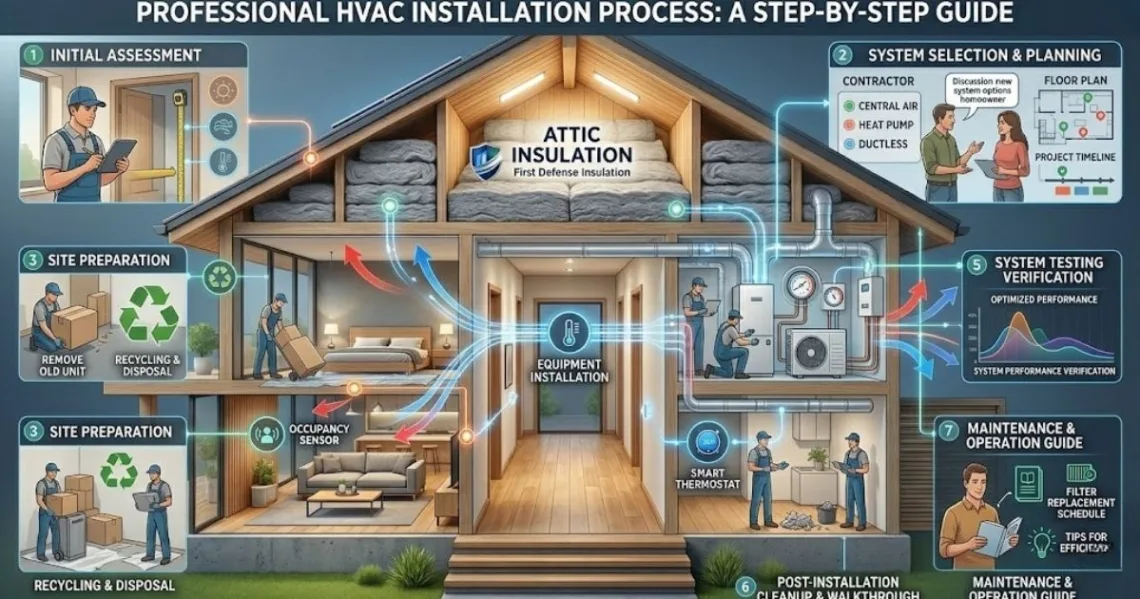
Initial Assessment and Home Evaluation
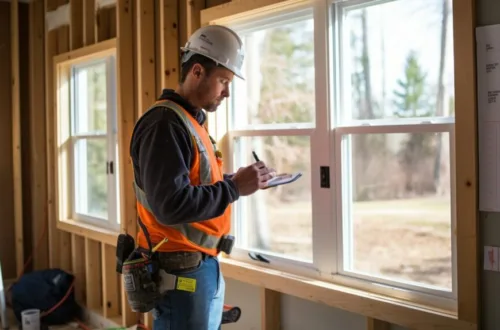
Before any equipment is brought into the property, the process begins with a thorough assessment of the space. A licensed contractor evaluates factors such as square footage, insulation levels, window placement, and airflow patterns. This stage is not rushed because every structure has unique characteristics that influence how heating and cooling should be distributed.
Measurements are taken carefully to determine the appropriate system size, as installing a unit that is too large or too small can lead to inefficiency and uneven temperatures. During this phase, the contractor may also inspect existing ductwork, electrical systems, and ventilation pathways to identify any modifications needed before installation begins.
In some cases, hidden issues such as leaks, outdated wiring, or poor insulation are discovered and addressed early. This early evaluation sets the foundation for a system that operates consistently and avoids unnecessary strain over time, helping to create a more balanced and comfortable indoor environment.
System Selection and Planning the Installation
Once the assessment is complete, attention shifts to selecting the right HVAC system and mapping out the installation plan. This includes choosing among system types, such as central air systems, heat pumps, or ductless options, based on the building’s requirements. The contractor explains how each option aligns with the property’s layout and energy considerations, helping the owner make an informed decision.
Planning also involves determining where major components, such as the indoor unit, outdoor condenser, and thermostat, will be placed to maximize efficiency and accessibility. During this stage, a timeline is established so occupants know how long the process will take and what disruptions to expect. A qualified HVAC contractor will ensure that every detail is aligned with local codes and safety standards, reducing the likelihood of complications later in the process. Careful planning also enables smoother coordination across installation steps, minimizing downtime and ensuring the project progresses without unnecessary delays or confusion.
Preparing the Site for Installation Work
Before the actual installation begins, the site must be prepared to accommodate the new system. This may involve clearing the work area, protecting floors and furniture, and ensuring safe access for technicians and equipment. If an old HVAC system is present, it will be carefully removed and disposed of in accordance with environmental guidelines. The preparation phase can also include minor structural adjustments, such as reinforcing mounting surfaces or creating space for ductwork. Electrical connections are checked to confirm they can handle the demands of the new system, and any necessary upgrades are completed at this stage.
Proper preparation ensures that the installation proceeds smoothly without unexpected delays or safety concerns. It also helps maintain a clean and organized workspace, which is essential for both efficiency and the minimization of disruption to occupants. Taking the time to prepare thoroughly often prevents complications during installation and ensures each component fits seamlessly into place.
Installation of Equipment and System Components
The core phase of the process involves installing the HVAC system itself. Technicians position the indoor and outdoor units, secure them in place, and connect all necessary components, including refrigerant lines, electrical wiring, and drainage systems. Precision is critical during this stage, as even minor misalignments can affect performance and longevity. Ductwork, if required, is installed or modified to ensure balanced airflow throughout the building. Each connection is carefully sealed to prevent leaks and maintain efficiency.
The thermostat is also installed and configured, allowing the user to control temperature settings with ease. This phase can take several hours or even days, depending on the system’s complexity and the property’s size. Attention to detail during installation plays a key role in ensuring the system operates quietly, efficiently, and reliably. Proper placement and secure connections contribute to long-term durability and help reduce the likelihood of future repairs.
System Testing and Performance Checks
After installation is complete, the system undergoes a series of tests to confirm that everything is functioning as intended. Technicians check airflow, temperature output, and system responsiveness to thermostat controls. Refrigerant levels are measured and adjusted if necessary, while electrical connections are inspected for safety and stability. This stage is essential because it verifies that the system can handle real operating conditions without issues. Any irregularities are addressed immediately, ensuring that the system delivers consistent performance from the start.
Testing also provides an opportunity to fine-tune settings for optimal comfort and energy use. By the time this phase is complete, the HVAC system should be running smoothly and ready for regular use. These checks provide reassurance that the installation was completed correctly and that the system is prepared to perform under varying conditions throughout the year.
Post-Installation Cleanup and Final Walkthrough
After all components have been installed and tested, attention turns to cleaning up the work area and conducting a final walkthrough with the property owner. Technicians remove debris, packaging materials, and any leftover equipment, leaving the space as neat as possible. This stage is important because it marks the transition from construction to daily use. During the walkthrough, the contractor explains what was done, highlights key components of the system, and answers any remaining questions.
This interaction ensures that the owner feels comfortable with the installation and understands how each part functions. It also provides an opportunity to confirm that everything meets expectations before the project is officially completed. A thorough cleanup and walkthrough reflect attention to detail and helps create a positive overall experience.
Understanding Maintenance and System Operation
Once the system is installed and tested, the contractor provides guidance on how to operate and maintain it properly. This includes explaining thermostat settings, filter replacement schedules, and basic troubleshooting steps. Regular maintenance is emphasized because it helps extend the system’s lifespan and maintain efficiency over time. Property owners are encouraged to schedule periodic inspections to catch potential issues early.
Understanding how the system works also empowers users to recognize signs of wear or inefficiency, allowing them to take action before problems escalate. This stage ensures that the investment in a new HVAC system continues to deliver comfort and reliability long after installation is complete. With consistent care and attention, the system can maintain stable performance and avoid unnecessary breakdowns that may disrupt daily routines.
A professional HVAC installation is a detailed process that requires careful coordination from start to finish. Each stage, from evaluation to final testing, contributes to the system’s long-term performance and reliability. Knowing what to expect allows property owners to feel more prepared and involved throughout the process. Clear communication, proper planning, and precise installation all work together to create a comfortable indoor environment.
With the right approach, the system will deliver consistent heating and cooling while maintaining efficiency. This understanding helps ensure that the investment provides lasting value, dependable operation, and improved comfort for many years without unnecessary complications.
Read also: How Can HVAC Services Improve Your Home’s Energy Efficiency?