A new air conditioning system is one of the most important investments a homeowner can make. Modern AC units improve indoor comfort, support energy efficiency, and help maintain healthier air quality throughout the year. However, many homeowners rush into the installation process without fully understanding what affects long-term performance, operating costs, and system lifespan.
Choosing the right unit involves more than simply replacing old equipment. Factors such as home size, insulation, ductwork condition, climate, and installation quality all play a major role in how efficiently the system performs. Homeowners who take time to understand these details are often better positioned to avoid costly repairs, uneven cooling, and rising energy bills later.
Choosing the Right AC Size Matters More Than Many People Realise
One of the most common mistakes homeowners make is installing an air conditioner that is either too large or too small for the home. Bigger does not always mean better. An oversized unit may cool the space too quickly without properly removing humidity from the air, leaving rooms feeling damp and uncomfortable. On the other hand, an undersized system may struggle to maintain consistent temperatures during hot weather.
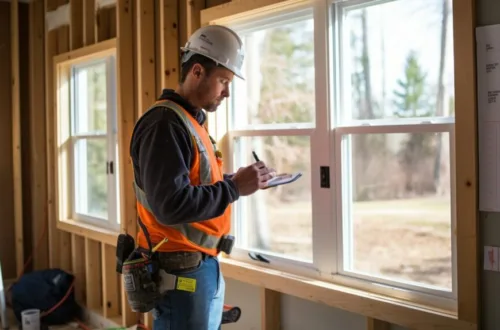
Professional load calculations help determine the correct system size. These calculations consider several important factors, including square footage, ceiling height, insulation quality, number of windows, and sun exposure. Proper sizing improves comfort while reducing unnecessary strain on the equipment.
For homeowners researching AC installation in Prosperity, SC, understanding proper sizing is especially important because local climate conditions and humidity levels can place additional pressure on cooling systems during warmer months.
Energy Efficiency Should Be a Long-Term Priority
Energy efficiency ratings have become increasingly important as electricity costs continue rising. Modern air conditioning systems often include advanced technology designed to improve cooling performance while using less energy.
The Seasonal Energy Efficiency Ratio, commonly known as SEER, measures how efficiently an air conditioner operates. Higher SEER ratings generally indicate better energy performance. Although high-efficiency systems may cost more initially, they can provide meaningful savings over time through lower utility bills.
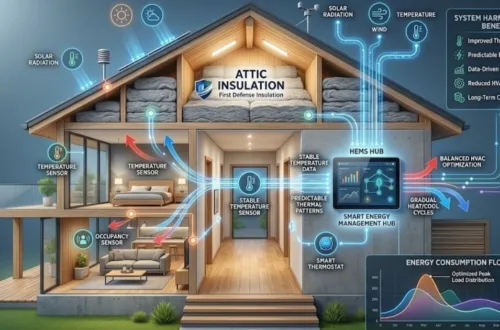
Variable-speed compressors, smart thermostats, and zoning systems also contribute to improved efficiency and comfort. These features help maintain stable indoor temperatures rather than constantly cycling on and off.
Homeowners should evaluate both upfront installation costs and projected long-term operating expenses before selecting a system.
Ductwork Can Have a Major Impact on Performance
Many homeowners focus entirely on the air conditioning unit itself while overlooking the condition of existing ductwork. Damaged, leaking, or poorly designed ducts can significantly reduce system efficiency and airflow.
Even a high-quality AC unit may struggle if cooled air escapes through leaks before reaching living spaces. Poor ductwork can also contribute to uneven cooling, increased dust circulation, and higher energy bills.
Before installation begins, professionals often inspect ducts for leaks, blockages, insulation problems, and airflow restrictions. Addressing these issues early can improve overall system performance and indoor comfort.
In some cases, upgrading or sealing ducts may provide noticeable efficiency improvements throughout the home.
Installation Quality Directly Affects System Lifespan
The quality of the installation process can be just as important as the equipment itself. Improper installation may lead to airflow problems, refrigerant issues, electrical complications, or premature system wear.
Experienced technicians carefully evaluate system placement, refrigerant levels, drainage, electrical connections, and airflow balance during installation. Attention to detail helps ensure the system operates safely and efficiently from the start.
This becomes especially important for homeowners considering AC installation in Prosperity, SC, where long cooling seasons and changing weather conditions can increase demand on HVAC systems.
A properly installed unit typically experiences fewer breakdowns and maintains stronger efficiency throughout its operating life.
Indoor Air Quality Should Not Be Ignored
Modern air conditioning systems can do more than cool indoor spaces. Many systems now support improved indoor air quality through enhanced filtration, humidity control, and ventilation features.
Poor indoor air quality may contribute to allergies, respiratory irritation, and general discomfort. Dust, pollen, pet dander, and excess humidity can all affect the indoor environment.
Homeowners may benefit from discussing additional air quality options during installation, including advanced filters, air purifiers, UV systems, or whole-home dehumidifiers. These upgrades can help create a cleaner and healthier indoor atmosphere while improving overall comfort.
Humidity control is particularly important in warmer climates where excess moisture can create ongoing comfort and maintenance issues.
Smart Technology Is Changing Home Cooling
Many modern AC systems now integrate with smart home technology. Smart thermostats allow homeowners to control temperatures remotely, create schedules, and monitor energy usage directly from mobile devices.
These systems help reduce unnecessary cooling when rooms are unoccupied while maintaining comfort when needed. Some advanced systems can even learn household patterns and automatically optimize cooling schedules.
Technology also allows technicians to identify maintenance issues earlier through system monitoring features. Early detection may help prevent costly repairs and reduce unexpected breakdowns during peak summer months.
For homeowners planning a long-term investment, smart technology can provide both convenience and efficiency benefits.
Maintenance Planning Starts Before Installation
Many people think about maintenance only after the new system is installed. In reality, long-term care planning should begin during the selection process.
Routine maintenance helps preserve efficiency, improve airflow, and reduce wear on key components. Tasks such as filter replacement, coil cleaning, refrigerant checks, and thermostat calibration all contribute to smoother system operation.
Homeowners should also ask about manufacturer warranties, maintenance recommendations, and service agreements before installation begins. Understanding these details early can help avoid confusion later.
Consistent maintenance often plays a major role in maximising the lifespan of an air conditioning system.
Closing Remarks
Installing a new air conditioning system is a significant decision that affects comfort, efficiency, and household expenses for many years. Homeowners who understand factors such as system sizing, energy efficiency, ductwork condition, indoor air quality, and installation quality are better prepared to make informed decisions.
Rather than focusing only on upfront costs, it is important to evaluate long-term performance, reliability, and maintenance needs. A carefully planned installation can improve comfort, reduce energy usage, and create a healthier indoor environment throughout every season.
Read also: Leather Biker Jacket vs Leather Motorcycle Jacket: What’s the Difference?