Introduction to HVAC Systems in Modern Buildings
Heating, Ventilation, and Air Conditioning systems, commonly known as HVAC systems, play a crucial role in maintaining comfortable and healthy indoor environments. Whether in residential buildings, commercial spaces, industrial facilities, or healthcare centers, these systems regulate temperature, humidity, and air quality to ensure optimal living and working conditions. As dependence on controlled indoor environments increases, the demand for reliable hvac repair services has also grown significantly.
HVAC systems are complex networks of mechanical, electrical, and refrigeration components that work together to provide heating and cooling. Because these systems operate continuously for long hours, they are subject to wear and tear over time. Without proper maintenance and timely repairs, their performance can decline, leading to higher energy consumption, reduced efficiency, and uncomfortable indoor conditions.
Regular servicing and timely repairs are essential to keep HVAC systems functioning at their best. Businesses and homeowners who invest in professional repair services benefit from improved system performance, lower energy bills, and longer equipment lifespan.
Understanding the Function of HVAC Systems
An HVAC system is designed to regulate indoor climate by controlling temperature, airflow, and humidity levels. It consists of several key components, including compressors, evaporator coils, condensers, air filters, ductwork, and thermostats. Each part plays a specific role in ensuring that the system operates efficiently.
The heating component warms indoor spaces during colder months, while the cooling component removes heat during warmer months. Ventilation ensures the circulation of fresh air and removes contaminants, improving overall indoor air quality.Because HVAC systems operate continuously in many environments, even minor issues can affect performance. This makes timely hvac repair essential for maintaining system reliability and efficiency.
Common Problems That Require HVAC Repair
HVAC systems can experience a variety of issues over time due to constant usage and environmental factors. One of the most common problems is reduced airflow, which can be caused by clogged filters, blocked ducts, or malfunctioning fans. Poor airflow reduces system efficiency and makes it difficult to maintain consistent indoor temperatures.
Another frequent issue is refrigerant leakage. Low refrigerant levels can significantly impact cooling performance and increase energy consumption. Electrical failures, thermostat malfunctions, and compressor issues are also common problems that require professional attention.Unusual noises, foul odors, and inconsistent temperature control are often signs that an HVAC system needs immediate repair. Ignoring these warning signs can lead to more serious damage and expensive repairs in the future.
Importance of Timely HVAC Repair Services
Timely repair of HVAC systems is essential for maintaining comfort, efficiency, and safety. When minor issues are addressed early, they can be resolved quickly and at a lower cost. However, delaying repairs can cause small problems to escalate into major system failures.
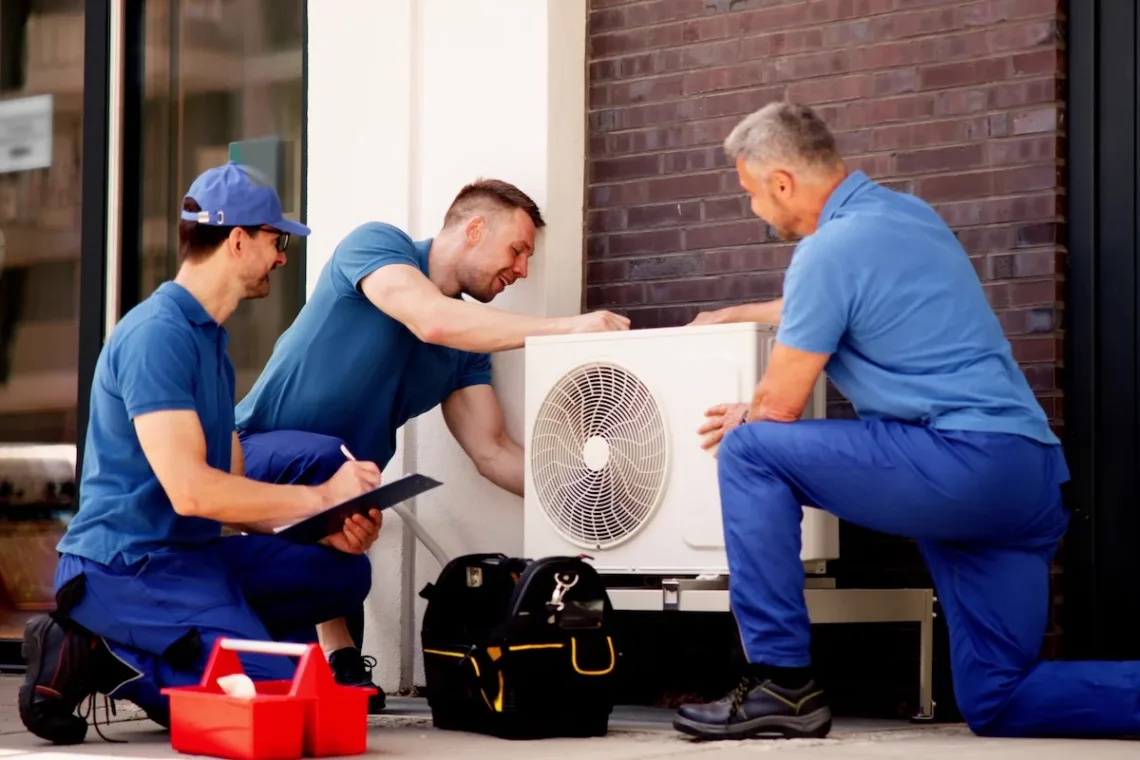
Professional hvac repair services help identify underlying issues before they become severe. Technicians use diagnostic tools to inspect system components, detect faults, and restore proper functionality. This proactive approach ensures that HVAC systems continue operating efficiently without unexpected breakdowns.Timely repairs also help reduce energy consumption. A malfunctioning system often works harder to maintain desired temperatures, leading to increased energy bills. By fixing issues promptly, businesses and homeowners can save money while improving system performance.
Energy Efficiency and Cost Savings
Energy efficiency is one of the most important benefits of maintaining a well-functioning HVAC system. When all components are operating correctly, the system uses less energy to achieve desired temperature levels. This results in lower utility bills and reduced environmental impact.
Dirty filters, leaking ducts, and faulty components force the system to consume more energy than necessary. Regular maintenance and timely hvac repair help eliminate these inefficiencies. Clean and well-maintained systems operate more smoothly and require less power to function effectively.Over time, energy savings can significantly offset the cost of maintenance and repairs, making HVAC servicing a cost-effective investment for both residential and commercial users.Indoor air quality is a critical factor in maintaining a healthy living or working environment. HVAC systems play a key role in filtering dust, allergens, pollutants, and other airborne particles from the air.
When HVAC systems are not properly maintained, air filters can become clogged, and ductwork may accumulate dust and debris. This can lead to poor air circulation and reduced air quality, potentially causing health issues such as allergies, respiratory problems, and discomfort.Professional hvac repair services ensure that filters, ducts, and ventilation systems are clean and functioning properly. This helps maintain a healthy indoor environment with clean and fresh air circulation.
Components Commonly Involved in HVAC Repair
HVAC systems consist of multiple components that may require repair or replacement over time. The compressor is one of the most important parts, responsible for circulating refrigerant throughout the system. If the compressor fails, the entire cooling process can be disrupted.
Evaporator coils and condenser coils are also critical components that can become dirty or damaged. These coils are responsible for heat exchange, and any blockage can reduce system efficiency.
Thermostats control temperature settings and system operation. A faulty thermostat can cause inconsistent temperature regulation and inefficient performance.Electrical components, including wiring, capacitors, and relays, are also common sources of HVAC issues. Regular inspection of these hvac repair components ensures smooth and reliable system operation.
Preventive Maintenance and Its Benefits
Preventive maintenance is one of the most effective ways to avoid costly HVAC repairs. Regular inspections, cleaning, and servicing help identify potential problems before they become serious.
Preventive maintenance includes tasks such as filter replacement, coil cleaning, refrigerant level checks, and system calibration. These activities ensure that the system operates at peak efficiency and reduces the likelihood of unexpected breakdowns.Businesses that follow a preventive maintenance schedule experience fewer disruptions and lower repair costs. It also extends the lifespan of HVAC systems, making it a valuable long-term investment.HVAC systems are complex and require specialized knowledge for proper repair and maintenance. Professional technicians are trained to diagnose issues accurately and perform repairs safely and efficiently.
Attempting DIY repairs can often lead to further damage or safety risks. Certified technicians use advanced tools and equipment to identify problems and restore system functionality.Hiring professionals for hvac repair ensures that all components are handled correctly and that the system complies with safety and performance standards.
Impact of HVAC Repair on System Longevity
Regular maintenance and timely repairs significantly extend the lifespan of HVAC systems. When components are properly maintained, the system experiences less stress and operates more efficiently over time.
Neglecting repairs can lead to premature system failure and costly replacements. Replacing an entire HVAC system is far more expensive than maintaining and repairing existing equipment.By investing in regular servicing and repairs, property owners can maximize the return on their HVAC investment and ensure long-term reliability.HVAC systems are affected by seasonal changes in temperature and humidity. During summer, cooling systems are under heavy load, while heating systems are more active in winter.
Seasonal maintenance ensures that HVAC systems are prepared to handle changing environmental conditions. This includes inspecting heating elements before winter and checking cooling systems before summer.Proper seasonal hvac repair and maintenance help prevent breakdowns during peak usage periods when systems are under the most stress.
Technological Advancements in HVAC Systems
Modern HVAC systems are becoming increasingly advanced, with features such as smart thermostats, energy-efficient compressors, and automated control systems. These technologies improve system performance and user convenience.
Smart HVAC systems can monitor energy usage, detect faults, and adjust settings automatically for optimal efficiency. Technicians now use digital diagnostic tools to identify issues more quickly and accurately.These advancements have made HVAC repair more efficient and precise, allowing for faster troubleshooting and improved system reliability.
Environmental Benefits of Efficient HVAC Systems
Efficient HVAC systems contribute to environmental sustainability by reducing energy consumption and lowering greenhouse gas emissions. Well-maintained systems operate more efficiently and require less energy to achieve desired temperatures.
Proper hvac repair and maintenance help reduce energy waste and support eco-friendly building practices. Many modern systems are designed to use environmentally friendly refrigerants that have lower environmental impact.
By maintaining HVAC systems properly, businesses and homeowners can contribute to a more sustainable environment while reducing operational costs.
Conclusion: The Value of Reliable HVAC Repair Services
HVAC systems are essential for maintaining comfortable, safe, and healthy indoor environments. However, like all mechanical systems, they require regular maintenance and timely repairs to function effectively.
Investing in professional hvac repair ensures that systems operate efficiently, consume less energy, and last longer. It also improves indoor air quality, enhances comfort, and reduces the risk of unexpected breakdowns.
As technology continues to advance and energy efficiency becomes more important, maintaining HVAC systems will remain a critical aspect of building management. Businesses and homeowners who prioritize regular maintenance and professional repair services will benefit from improved performance, lower costs, and long-term system reliability.
Read also: BigXthaPlug age, real name, and rise to fame: what you need to know in 2026