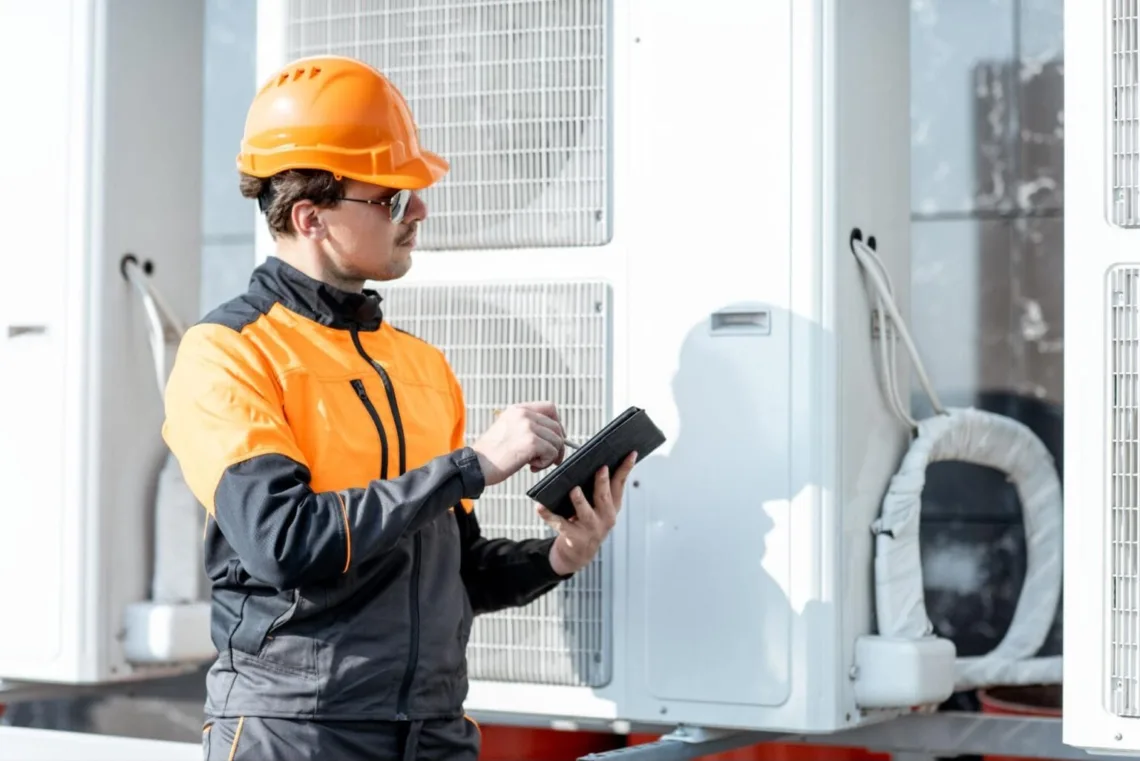
Maintaining optimal performance for heating and air conditioning systems requires regular care, particularly at the change of seasons. Seasonal inspections identify potential issues before they escalate, ensuring systems operate efficiently and reliably.
These evaluations include checking filters, ductwork, refrigerant levels, and mechanical components, which prevent energy waste and uneven heating or cooling. Proactive attention also reduces the likelihood of unexpected breakdowns, extending the lifespan of equipment. By performing these checks, homeowners can maintain consistent comfort throughout the year, lower energy costs, and ensure that both heating and cooling systems are ready for peak seasonal demand.
Why Inspections Are Crucial
Identifying Issues Early
Seasonal inspections allow technicians to detect problems in both heating and air conditioning systems before they affect efficiency or performance. Components such as compressors, fans, valves, and thermostats can degrade over time or accumulate debris, reducing airflow and increasing energy consumption. Identifying these issues early enables corrective action, minimizing wear on critical parts and preventing minor problems from becoming costly repairs.
Regular inspections also ensure that safety measures, including pressure controls and electrical connections, are functioning correctly. Providers offering Heating and Air Conditioning Services use these evaluations to optimize system operation and maintain energy efficiency. These proactive steps support reliable operation, reduce utility bills, and help systems operate consistently without excessive strain on internal components.
Enhancing Energy Efficiency
Energy efficiency improves significantly when both heating and cooling systems are regularly inspected. Clogged filters, obstructed vents, or dirty coils force equipment to work harder to maintain desired temperatures, consuming more electricity or fuel. Inspections include cleaning components, checking refrigerant or coolant levels, and verifying thermostat calibration to ensure energy is used effectively.
Well-maintained systems distribute air evenly, avoiding hot or cold spots that trigger additional cycles. Improved efficiency also reduces emissions for systems powered by gas or electricity. By maintaining components and airflow, seasonal inspections ensure that both heating and cooling operate within designed parameters, providing consistent comfort while lowering long-term operating costs.
Maintaining Proper Airflow
Airflow is essential to the efficiency of heating and air conditioning systems. Obstructions in ducts, vents, or registers limit airflow, which can increase fan pressure and reduce temperature control. Seasonal inspections evaluate airflow throughout the system, identifying blockages, leaks, or improperly balanced vents. Technicians may adjust dampers, clean ducts, or recommend repairs to optimize air distribution.
Proper airflow enhances energy efficiency by allowing equipment to reach set temperatures more quickly and maintain them with fewer cycles. Balanced airflow also reduces strain on components, preventing wear and tear that could shorten the system’s lifespan. Effective inspections ensure that homes remain comfortable year-round without unnecessary energy consumption.
Checking Refrigerant and Fuel Levels
Proper refrigerant levels in air conditioning systems and an appropriate fuel supply for heating equipment are critical to maintaining efficiency. Low refrigerant can reduce cooling capacity, increase compressor workload, and elevate energy consumption. Similarly, inadequate fuel supply or inefficient combustion in heating systems can lead to incomplete heating and higher utility costs.
Seasonal inspections verify that refrigerant, gas, or oil levels are correct and that systems operate within manufacturer specifications. Adjustments or minor repairs can prevent significant energy loss and improve comfort. Maintaining optimal levels ensures that both heating and cooling systems perform consistently and reduces the likelihood of breakdowns caused by overworked components, supporting long-term efficiency.
Cleaning and Lubrication
Accumulated dirt, dust, and debris on moving parts can decrease efficiency in both heating and cooling systems. Fans, motors, belts, and coils require cleaning and occasional lubrication to operate smoothly. Seasonal inspections address these areas, removing debris that impedes function and applying appropriate lubrication to reduce friction.
Clean heat exchangers and condenser coils enable efficient heat transfer, reducing the effort required to reach desired temperatures. These maintenance practices prevent components from overheating or wearing prematurely. Regular attention to mechanical parts improves operational efficiency, reduces noise, and prolongs system life, ensuring equipment functions reliably during high-demand periods in both winter and summer.
Calibrating Controls and Thermostats
Thermostats and system controls directly affect energy use and comfort. Miscalibrated thermostats may cause systems to cycle unnecessarily or maintain inaccurate temperatures. Seasonal inspections include testing and calibrating control systems to ensure that heating and cooling are triggered appropriately. Properly set controls reduce energy consumption, prevent overuse of mechanical components, and ensure consistent indoor comfort.
Inspections also allow technicians to verify that programmable schedules or zone controls function correctly, helping balance temperatures across different areas of a home or building. Accurate control systems improve overall efficiency and reduce wear on the system, thereby lowering maintenance costs and extending equipment life.
Regular seasonal inspections improve both heating and air conditioning efficiency by identifying issues early, maintaining proper airflow, verifying refrigerant or fuel levels, and ensuring components are clean and well-lubricated. Calibrating controls and maintaining system integrity reduces energy consumption, prevents unnecessary strain, and extends equipment lifespan.
Homeowners benefit from consistent comfort, lower utility costs, and fewer emergency repairs. Proactive inspections allow systems to operate within design specifications, preserving reliability while optimizing energy performance. By committing to routine maintenance, both heating and cooling systems can function efficiently and reliably, providing long-term value, safety, and comfort throughout the year.
Read also: Commercial Remodeling Basics: What You Need To Know