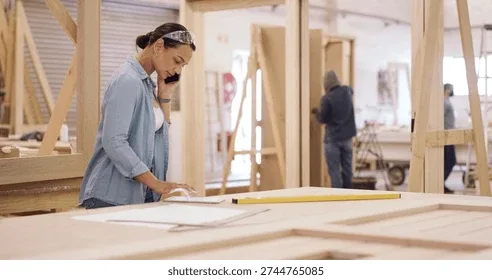
Commercial remodeling is the process of improving or updating commercial spaces such as offices, retail stores, restaurants, and industrial buildings to better meet business needs. A well-planned remodeling project can improve functionality, create a safer environment, and give the property a more modern and professional appearance.
Many businesses invest in remodeling to enhance employee productivity, attract more customers, and increase overall property value. It can also help companies stay compliant with updated building codes and industry standards. Whether it is a small interior upgrade or a complete renovation, commercial remodeling plays an important role in supporting business growth and long-term success.
Key Benefits of Commercial Remodeling
Commercial remodeling offers many long-term advantages for businesses looking to improve their workspace and overall operations. A modern and functional commercial space can create a better experience for employees and customers while also increasing the value of the property. Remodeling also allows businesses to upgrade outdated systems, improve safety, and meet current industry standards. Working with professionals like Excellence in Construction LLC can help ensure the project is completed efficiently and with high-quality results.
- Increased Property Value: Updated commercial spaces often attract higher property value and make the building more appealing to investors or buyers.
- Improved Workflow and Productivity: Better layouts and upgraded work areas can help employees work more comfortably and efficiently.
- Enhanced Customer Experience: A modern and attractive environment creates a positive impression and encourages customers to return.
- Better Safety and Code Compliance: Remodeling helps businesses meet updated building regulations and improve workplace safety standards.
- Energy Efficiency and Cost Savings: Upgraded lighting, insulation, and HVAC systems can reduce energy costs over time.
Types of Commercial Remodeling Projects
Commercial remodeling projects can vary depending on the type of business and its operational needs. Some businesses focus on improving interior design, while others may need structural upgrades or complete renovations. Each project is designed to improve functionality, appearance, and efficiency while supporting business growth and customer satisfaction.
- Office Redesigns
Updating office layouts, meeting rooms, and workspaces to improve productivity and employee comfort. - Retail Store Upgrades
Enhancing store layouts, lighting, and displays to create a better shopping experience for customers. - Restaurant Renovations
Remodeling dining areas, kitchens, and seating spaces to improve functionality and customer appeal. - Industrial Facility Improvements
Upgrading warehouses, factories, and production areas for better safety and operational efficiency.
Step-by-Step Remodeling Process
A commercial remodeling project involves several important stages to ensure the work is completed smoothly and efficiently. Each phase plays a key role in improving the quality, safety, and functionality of the space. Understanding the remodeling process can help business owners plan better and avoid unnecessary delays during construction.
- Planning and Consultation
The project begins with discussing goals, budget, timelines, and business requirements to create a clear remodeling plan. - Design and Layout Preparation
Architects and designers prepare layouts, material selections, and design concepts that match the business needs and building regulations. - Permits and Approvals
Necessary permits and approvals are obtained to ensure the remodeling project follows local construction and safety codes. - Demolition and Site Preparation
Old structures, fixtures, or damaged materials are removed to prepare the area for renovation work. - Construction and Installation
Contractors complete structural work, electrical upgrades, flooring, painting, and installation of new features. - Final Inspection and Completion
The finished project is inspected to confirm quality, safety, and compliance before the space is ready for use.
Common Challenges in Commercial Remodeling
Commercial remodeling projects can come with several challenges that may affect the timeline, budget, and daily business operations. One common issue is obtaining permits and approvals, which can sometimes delay the start of construction. Unexpected structural problems, outdated wiring, or hidden water damage may also increase repair costs during the project.
Budget overruns can happen if materials or labor costs change unexpectedly. In many cases, businesses must continue operating while construction is taking place, which can create disruptions for employees and customers. Proper planning, clear communication, and experienced contractors can help reduce these challenges and keep the remodeling project on track.
Conclusion
Commercial remodeling is a smart investment for businesses that want to improve functionality, safety, and overall appearance. From planning and design to construction and final inspection, each step plays an important role in achieving successful results.
Although challenges like permits, budget control, and disruptions can arise, proper preparation and professional support can make the process much smoother. Working with experienced experts such as Excellence in Construction LLC ensures high-quality workmanship and reliable project management. Ultimately, a well-executed remodeling project can enhance property value, improve customer experience, and support long-term business growth.
Read also: How Urban Cycling Culture Is Redefining Safety Style and Nighttime Mobility in Modern Cities