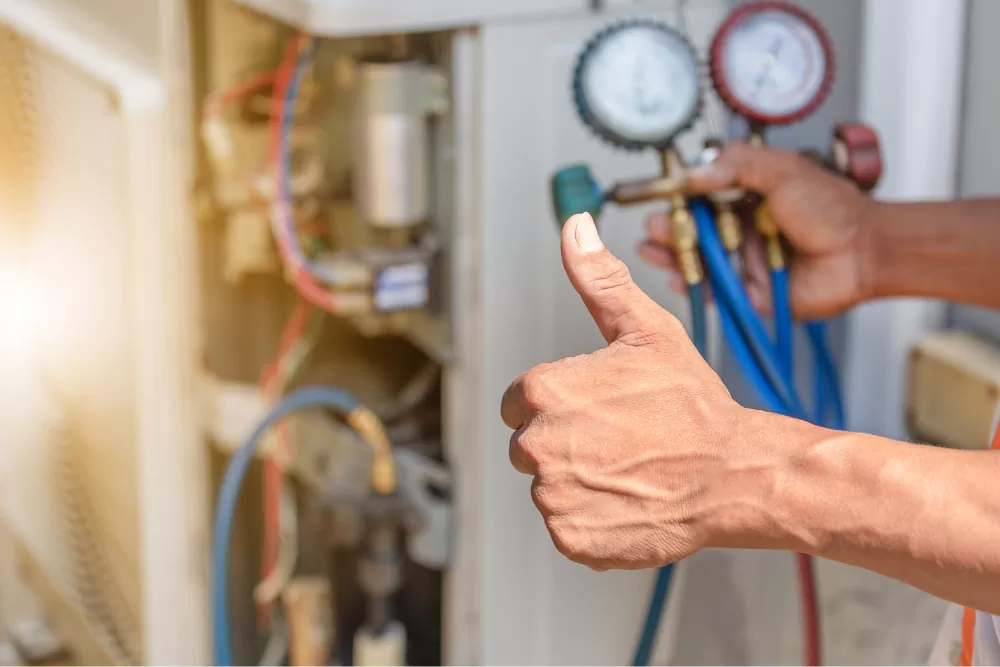
Regular HVAC maintenance may feel like an added expense, but it often helps homeowners avoid higher costs later. Heating and cooling systems work through long seasons, temperature swings, dust buildup, and daily demand. Without proper care, small issues can lead to higher energy bills, reduced comfort, and sudden breakdowns.
Maintenance helps keep parts clean, electrical connections secure, airflow steady, and system performance more reliable. The value comes from preventing waste before it grows. A well-maintained system can run more smoothly, last longer, and support a more comfortable home through both hot and cold months.
Costs, Comfort, and Reliability
Lower Repair Costs Through Early Detection
One of the clearest financial benefits of regular HVAC maintenance is early problem detection. A small issue, such as a loose wire, dirty coil, weak capacitor, clogged drain, or worn belt, may not stop the system immediately. However, when ignored, it can place stress on larger parts and lead to expensive repairs.
A maintenance visit gives technicians a chance to inspect the system before it fails during heavy use. Homeowners comparing service options may review https://onestoputah.com/service-areas/west-valley-city-ut when planning routine care that supports long-term equipment value. Early detection also helps homeowners budget more calmly, as repairs can be addressed before they become emergencies.
Instead of paying for urgent service during extreme weather, they can address smaller concerns on a planned schedule. This reduces stress, protects comfort, and may prevent damage to costly components such as compressors, blower motors, control boards, and heat exchangers.
Better Energy Efficiency and Monthly Savings
Maintenance can also lower operating costs by helping the system use energy more efficiently. When filters are clogged, coils are dirty, or airflow is restricted, heating and cooling equipment must run longer to reach the same thermostat setting. That extra run time raises utility bills and increases wear on parts. Routine service helps restore efficiency by cleaning key components, checking refrigerant levels, testing thermostat accuracy, and confirming that air moves properly through the home.
Even small improvements can make a difference over a long heating or cooling season. A system that runs smoothly does not have to contend with dirt, loose parts, or blocked airflow. This means the equipment can provide comfort with less wasted effort. While maintenance does not remove all energy costs, it helps prevent avoidable waste. Over time, lower monthly bills can offset a meaningful part of the cost of routine service.
Longer Equipment Life and Delayed Replacement
Replacing an HVAC system is one of the larger home comfort expenses, so extending equipment life has real financial value. Regular maintenance helps delay replacement by reducing the strain that causes parts to age faster. Clean coils allow better heat transfer, proper airflow protects motors, and secure electrical connections reduce the risk of overheating or sudden failure.
Maintenance also keeps the system closer to its intended operating condition, which helps major components work with less pressure. When service is skipped for years, the unit may still run, but hidden stress can shorten its lifespan. A maintained system is more likely to provide dependable comfort for additional seasons before replacement becomes necessary. This is valuable for homeowners who want time to plan a future upgrade rather than being forced into a rushed decision after a breakdown. Routine care protects both current comfort and long-term financial planning.
Fewer Emergencies and Better Home Comfort
The cost-benefit of HVAC maintenance is not only measured in dollars. Comfort, convenience, and peace of mind also matter. A system that receives regular care is less likely to fail on the hottest afternoon or coldest night of the season. Maintenance helps reduce surprise breakdowns by checking safety controls, startup performance, drainage, airflow, refrigerant balance, burners, motors, and other key parts.
It also helps improve room-to-room comfort by identifying airflow problems and thermostat issues early. Homeowners may notice fewer temperature swings, quieter operation, and more reliable heating and cooling after routine service. Better comfort can also support healthier indoor conditions by improving filtration, humidity control, and ventilation performance. When a home feels steady and the system responds properly, daily life becomes easier. Avoiding emergency repairs also reduces disruption, missed work, and the frustration of waiting for urgent help during busy service periods.
Maintenance Offers Practical Value
Regular HVAC maintenance offers value by reducing the risk of repairs, improving efficiency, extending equipment life, and helping homeowners avoid sudden comfort issues. The upfront cost of routine care is often easier to manage than emergency repairs or early replacement. Maintenance also helps the system run more smoothly, use less wasted energy, and provide steadier indoor temperatures.
For homeowners, the benefit is both financial and practical. A well-maintained HVAC system can lead to lower bills, fewer surprises, and a longer service life. Over time, routine maintenance becomes a smart way to protect comfort, equipment, and the household budget.
Read also: Why Do Seasonal Inspections Improve Both Heating and Air Conditioning Efficiency?