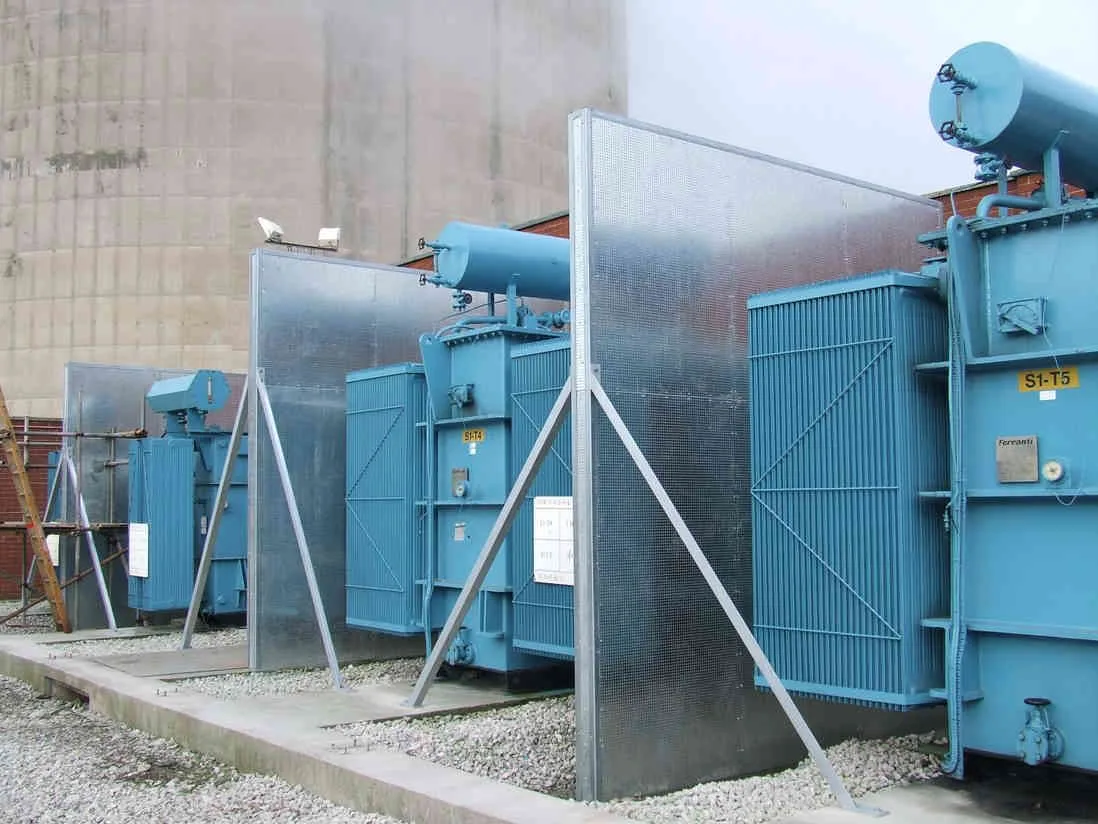
High-voltage substations operate under intense electrical and environmental pressure every day. These facilities handle massive amounts of energy that support industrial operations, transportation systems, commercial buildings, and residential communities. Because transformers are among the most critical pieces of equipment inside substations, their protection becomes directly connected to the stability of the electrical grid itself. A transformer failure can trigger fires, pressure waves, flying debris, and widespread outages that affect surrounding infrastructure. For this reason, utility companies and engineers pay close attention to substation layouts and the placement of protective structures around transformers.
Blast containment systems are not simply barriers placed beside equipment; they are carefully positioned elements designed to control damage and reduce the spread of destructive forces. The exact location of these walls can affect personnel safety, operational continuity, maintenance accessibility, and the ability of nearby equipment to continue functioning during emergencies.
Placement and Protection
-
Controlling Pressure Waves and Flying Debris
When a transformer experiences an internal fault, the resulting explosion can generate a powerful pressure wave that moves rapidly through the substation. Oil-filled transformers are particularly vulnerable because the insulating oil may ignite or expand violently under fault conditions. If a blast wall is poorly positioned, the force of the explosion may travel toward adjacent transformers, switchgear, control buildings, or nearby operational areas. Proper placement changes the direction and intensity of those forces, helping to contain the damage within a limited zone. This is one of the reasons substation designers conduct detailed risk assessments before determining where barriers should be installed.
The orientation of the wall, its distance from energized equipment, and the surrounding layout all contribute to how effectively the structure performs during an incident. A carefully positioned transformer blast wall can reduce the transfer of hazardous debris toward nearby infrastructure and create a safer environment for workers operating within the station boundaries.
-
Protecting Adjacent Equipment From Cascading Failures
One damaged transformer can quickly create additional failures if nearby systems are exposed to heat, debris, or shockwaves. High-voltage substations often contain multiple transformers placed within a relatively compact footprint because utilities must maximize operational efficiency while minimizing land use. Without protective separation, a single transformer explosion may compromise neighboring units, triggering a cascade that affects a much larger section of the grid. Proper blast wall placement acts as a defensive layer between critical assets, interrupting the path of destructive energy before it reaches adjacent equipment.
Engineers frequently analyze thermal radiation, projectile risks, and pressure dispersion when determining how close transformers can be safely installed to one another. Even a minor adjustment to the wall’s location can affect whether nearby systems remain operational during an emergency. The ability to isolate damage is particularly important in substations serving hospitals, transportation hubs, industrial plants, and densely populated urban regions, where an uninterrupted power supply is critical.
-
Improving Worker Safety During Emergency Conditions
Substation personnel routinely work near high-energy equipment while performing inspections, repairs, testing, and switching operations. Although safety procedures and protective equipment reduce risk, the physical arrangement of the substation remains one of the strongest forms of protection in the event of unexpected events. Blast walls positioned between transformers and operational pathways can shield workers from direct exposure to explosions, heat, and debris. Placement becomes especially important around control rooms, maintenance access routes, and emergency escape corridors. If barriers are installed without considering personnel movement patterns, workers may still remain vulnerable despite the presence of protective structures.
In some substations, maintenance crews must navigate narrow spaces between energized equipment, making strategic barrier placement even more critical. Properly positioned walls also support emergency response efforts by creating controlled zones that limit the spread of fire or secondary hazards. The overall goal is not only to protect equipment but also to preserve human safety during situations where reaction time may be extremely limited.
-
Supporting Fire Containment and Thermal Management
Transformer failures often involve intense fires fueled by insulating oil and high operating temperatures. Once flames spread beyond the original transformer, nearby cables, support structures, and auxiliary systems can become compromised. Blast walls contribute to fire containment by serving as physical barriers that limit the spread of flames and radiant heat. Their effectiveness, however, depends heavily on placement. A barrier positioned too far from the transformer may allow heat to spread along its edges, while a poorly angled wall may direct flames toward vulnerable infrastructure rather than away from it.
Engineers, therefore, evaluate prevailing wind conditions, ventilation patterns, and equipment spacing before finalizing the substation design. Thermal management considerations also extend to routine operation, as transformers continuously generate heat even under normal conditions. Poorly planned wall placement may restrict airflow and cause overheating, shortening equipment lifespan. Balancing fire protection with operational cooling requirements requires careful coordination between structural, electrical, and safety planning teams during the design phase.
-
Maintaining Access for Inspection and Maintenance
Substations require regular maintenance to ensure reliable performance over long operating periods. Technicians need sufficient space to inspect transformers, test protective systems, replace components, and conduct repairs safely. While blast walls improve protection, their placement must also account for maintenance accessibility. A wall installed too close to a transformer may limit crane access, obstruct inspection points, or create confined working conditions that complicate routine servicing. These limitations can increase maintenance time and create operational inefficiencies that affect overall substation reliability.
Engineers, therefore, consider the movement of vehicles, lifting equipment, and personnel before finalizing wall locations. Proper placement allows workers to perform essential tasks without sacrificing the protective role of the barrier itself. Maintenance considerations become even more important in aging substations, where retrofitted protective structures must fit within existing layouts not originally designed for modern safety requirements. Thoughtful positioning helps utilities balance protection with the practical realities of long-term equipment operation and serviceability.
Transformer blast wall placement significantly influences how high-voltage substations perform during both routine operations and emergencies. These barriers help control pressure waves, contain fires, shield workers, and reduce the likelihood of cascading failures that could affect larger portions of the electrical grid. Their effectiveness depends not only on structural strength but also on strategic positioning within the substation environment. Engineers must balance safety, accessibility, cooling requirements, and future expansion needs while considering the surrounding community and infrastructure.
Careful planning allows substations to operate with greater resilience under demanding conditions. As electrical systems continue to expand to meet rising energy demands, properly positioned blast-protection structures will remain an important part of modern substation design and long-term operational stability.