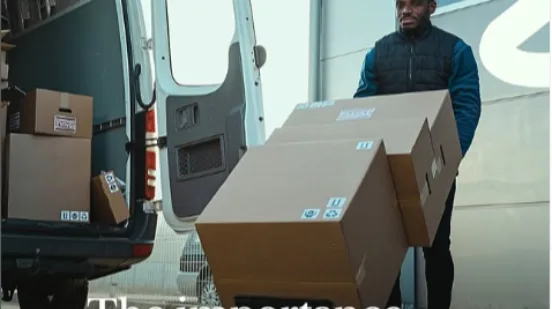
Cold chain logistics play a central role in keeping food products safe from origin to consumption. Maintaining consistent temperatures during transport helps preserve freshness, prevent contamination, and reduce waste across supply networks. Trucking companies play a vital role in this system by transporting perishable goods such as dairy, meat, seafood, and fresh produce under controlled conditions.
Their operations involve careful coordination, equipment management, and real-time monitoring to ensure products remain within required temperature ranges. As global food distribution expands, the need for reliable temperature-controlled transport continues to grow, shaping how food safety standards are maintained across markets.
Temperature-Controlled Transport Overview
-
Importance of Cold Chain Integrity
Cold chain integrity refers to the uninterrupted maintenance of safe temperature conditions throughout the journey of perishable food products. Trucking companies are responsible for ensuring that every stage of transportation preserves product quality from loading at production facilities to unloading at distribution centers. Even minor temperature fluctuations can lead to bacterial growth, spoilage, or loss of nutritional value, making consistency critical. Vehicles used in this system are designed with insulated compartments and refrigeration units that support stable internal environments regardless of external weather conditions.
Drivers and logistics coordinators must follow strict handling procedures to reduce exposure during loading and delivery. Proper sealing of cargo doors, efficient route planning, and minimized transit delays all contribute to maintaining integrity. Without this level of control, food safety risks increase significantly, affecting both consumer health and supply chain reliability. The growing demand for fresh and frozen foods continues to push trucking operations toward higher precision and accountability in temperature management.
-
Refrigeration Systems in Transit
Refrigeration systems are the technological backbone of cold chain transportation. These systems are installed in freight trucks to regulate internal temperatures according to the specific requirements of different food products. For example, frozen goods require much lower temperatures than fresh fruits or vegetables, and refrigeration units must be adjustable to accommodate these variations. Advanced cooling systems are powered by independent energy sources to ensure continuous operation even when vehicles are stationary, such as during loading or rest stops. Regular maintenance of these systems is essential to prevent breakdowns that could compromise entire shipments.
Trucking personnel are trained to inspect temperature settings before departure and during transit stops to confirm consistent performance. Sensors inside cargo compartments continuously record temperature data, allowing for immediate adjustments if any deviation occurs. This technological integration ensures that food safety standards are upheld throughout the journey, reducing the risk of spoilage and maintaining product quality from origin to destination.
-
Monitoring and Real-Time Tracking Systems
Modern cold chain logistics relies heavily on digital monitoring tools that provide real-time visibility into shipment conditions. These systems track temperature, humidity, and vehicle location, allowing logistics managers to respond quickly to any irregularities. Data collected during transit is transmitted to centralized platforms where it can be analyzed for compliance and efficiency improvements. This level of oversight helps prevent delays and ensures that corrective actions are taken before food safety is compromised. In many operational networks, alerts are triggered automatically when temperature thresholds are exceeded, prompting immediate intervention.
This integration of technology has improved accountability across the transportation sector and strengthened trust between suppliers and distributors. Trucking Companies in Atlanta have increasingly adopted these systems to support large-scale food distribution across regional and interstate routes. Continuous monitoring not only safeguards product quality but also enhances operational transparency, ensuring that food reaches consumers in safe and consumable condition without unnecessary loss or waste.
-
Compliance with Food Safety Standards
Food transportation is governed by strict safety regulations that define how perishable goods must be handled during transit. Trucking companies are required to adhere to these standards to ensure that food products remain safe for consumption throughout their journey. These regulations often specify temperature ranges, hygiene practices, and documentation procedures that must be followed at all times. Compliance involves routine inspections of refrigeration units, proper sanitation of cargo spaces, and accurate record-keeping of transport conditions. Drivers and logistics personnel receive training on handling sensitive food products and responding to potential risks during transit. Regulatory frameworks also encourage the adoption of technology that supports traceability and accountability. Meeting these requirements helps reduce the likelihood of contamination and ensures consistency across supply chains. As food distribution networks become more complex, adherence to safety standards remains a foundational responsibility for trucking operations involved in cold chain logistics.
Reducing Food Waste Through Logistics
Efficient cold chain logistics plays a significant role in reducing food waste across distribution networks. When temperature-sensitive products are transported under stable conditions, the likelihood of spoilage decreases substantially. Trucking companies contribute to this outcome by optimizing delivery routes, minimizing transit times, and ensuring proper vehicle maintenance. Delays in transportation can quickly compromise perishable goods, leading to financial losses and environmental impact. Proper coordination between suppliers, transport operators, and distribution centers helps maintain a smooth flow of goods, reducing the chances of product deterioration. Advanced scheduling systems allow for better planning of pickups and deliveries, ensuring that food spends the least possible time in transit. Additionally, improved packaging methods combined with controlled transportation environments further extend product shelf life. These combined efforts not only support food safety but also contribute to more sustainable supply chain practices by limiting unnecessary waste and improving resource efficiency across the entire logistics process.
Coordination Across Supply Chain Partners
Cold chain logistics requires close coordination between multiple stakeholders, including producers, transport operators, warehouses, and retailers. Trucking companies serve as the connecting point that ensures seamless movement of goods across these stages. Effective communication between partners is essential for maintaining timing, temperature control, and handling requirements. Any breakdown in coordination can lead to delays or exposure to unsuitable conditions, which may compromise food safety. Digital platforms are often used to synchronize schedules, share shipment updates, and manage inventory flow. This level of integration allows for faster decision-making and more efficient problem-solving during transit. Collaboration also extends to contingency planning, where alternative routes or storage solutions are arranged in case of unexpected disruptions. By working closely with other supply chain participants, trucking companies help maintain stability and reliability in food distribution systems. This interconnected approach ensures that perishable goods move efficiently from production sites to consumers while maintaining strict safety standards throughout the journey.
Conclusion
Cold chain logistics is essential for maintaining the safety and quality of perishable food products, and trucking companies play a central role in this process. Through temperature-controlled transport, advanced refrigeration systems, and real-time monitoring technologies, they help ensure that food remains safe from origin to destination. Their responsibilities extend beyond transportation to include regulatory compliance, coordination with supply chain partners, and efforts to reduce food waste. As demand for fresh and frozen goods continues to grow, the importance of reliable cold chain systems becomes even more significant. Strengthening these operations supports public health, improves efficiency, and enhances the overall stability of food distribution networks across regions and markets.