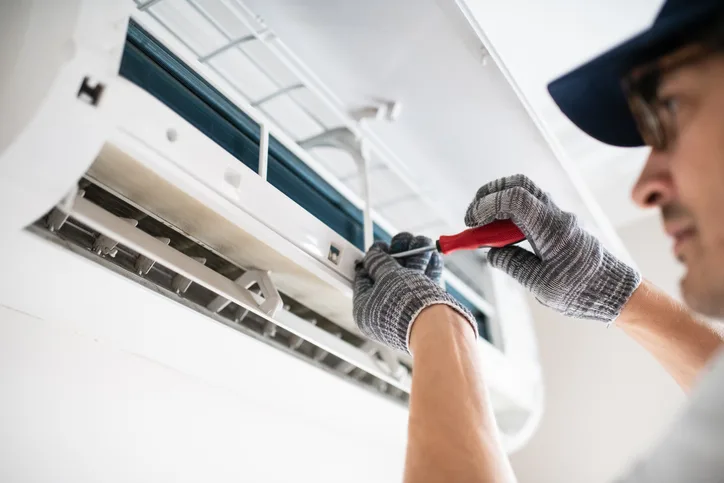
Modern air conditioning systems are no longer standalone mechanical units working in isolation. They are increasingly becoming part of interconnected home environments where sensors, cloud platforms, and automated controls work together to manage indoor comfort. This shift has changed how faults are detected, how maintenance is scheduled, and how repair decisions are made. Instead of waiting for visible breakdowns or obvious performance issues, smart systems can now identify irregularities early and communicate them in real time.
As a result, the approach to diagnosing and fixing cooling systems has become more data-driven and responsive. Technicians now interact with information-rich systems rather than relying only on physical inspection. This transformation is reshaping traditional repair workflows and redefining expectations for system reliability and performance.
Smart Systems Reshaping Cooling Diagnostics
-
Sensor-Driven Monitoring and Repair Accuracy
Smart home integration has introduced continuous monitoring into air conditioning systems through embedded sensors that track temperature fluctuations, humidity levels, energy usage, and airflow performance. These sensors constantly feed data to a central platform, allowing irregular patterns to be identified long before a complete failure occurs. Instead of relying solely on user complaints or physical symptoms like weak cooling, technicians can now review historical performance data to pinpoint the exact stage at which a problem began.
This shift has significantly improved diagnostic accuracy and reduced unnecessary part replacements. It also enables repair processes to be more targeted, as technicians can focus on specific components exhibiting abnormal behavior. Over time, this reduces downtime and improves system reliability, as issues are resolved before they escalate into major malfunctions that disrupt indoor comfort or increase energy consumption.
-
Remote Diagnostics and Connected Service Models
The integration of smart home technology has enabled remote diagnosis of air conditioning systems via cloud-connected platforms. Technicians can access system data remotely, reviewing error codes, usage trends, and performance logs without requiring an immediate site visit. In many cases, this allows initial troubleshooting to be completed virtually, saving time and reducing unnecessary dispatching of service personnel. Air Conditioning Repair in Copan has also benefited from this shift, as remote monitoring tools make it easier to assess system conditions even in areas with limited immediate access to technicians.
This connected approach changes how repair services are scheduled, prioritizing urgent cases while resolving minor issues through guided adjustments or software updates. It also enhances communication between users and technicians, as both parties can view the same system insights in real time, leading to faster decision-making and more efficient repair outcomes.
-
Predictive Maintenance and Failure Prevention
One of the most impactful changes brought by smart home integration is the rise of predictive maintenance in air conditioning systems. Instead of reacting to breakdowns after they occur, systems now analyze performance trends to forecast potential failures. Algorithms evaluate patterns such as compressor cycling frequency, refrigerant pressure changes, and energy spikes to identify components that are likely to degrade. This predictive capability allows maintenance to be scheduled at optimal times, preventing sudden system shutdowns during critical usage periods.
It also reduces long-term repair costs by addressing small inefficiencies before they escalate into major mechanical failures. Technicians benefit from clearer guidance on what needs attention, while homeowners experience fewer disruptions. This proactive model is gradually replacing traditional repair cycles, in which problems were addressed only after visible symptoms appeared.
-
Automation and Intelligent System Adjustments
Smart air conditioning systems are increasingly capable of making automatic adjustments based on environmental conditions and user behavior. These automated functions can regulate cooling intensity, adjust fan speeds, and optimize energy consumption without manual intervention. When irregularities occur, the system may attempt self-correction before signaling the need for human repair. This introduces a new layer of complexity into traditional repair methods, as technicians must now evaluate both mechanical components and software-driven control systems.
Troubleshooting often involves analyzing whether issues stem from hardware faults or incorrect automated responses. As a result, repair work has expanded beyond physical servicing to include calibration of digital controls and system reconfiguration. This blending of mechanical and digital functions requires a more integrated understanding of how smart systems interpret and respond to environmental data.
-
Data Integration and Performance History Analysis
Another major shift in air conditioning repair stems from the availability of long-term performance data within smart home ecosystems. Every operational cycle, temperature adjustment, and energy variation can be recorded and analyzed over time. This historical data provides technicians with a detailed timeline of system behavior, making it easier to identify recurring issues or gradual performance declines. Instead of relying on short-term observations during a service visit, repair decisions are now informed by extended usage patterns.
This approach helps uncover hidden inefficiencies that might otherwise go unnoticed, such as slow refrigerant leaks or intermittent sensor failures. It also improves communication between technicians and homeowners, as repair recommendations can be supported with clear data evidence rather than assumptions. The result is a more transparent and informed repair process that prioritizes long-term system health.
-
Integration of Mobile Controls and User Feedback Systems
Mobile applications connected to smart air conditioning systems have introduced a new layer of user involvement in the repair process. Homeowners can now receive real-time alerts about system performance, filter conditions, and maintenance needs directly on their devices. These alerts often include actionable insights that help users understand when professional intervention is required. In addition, feedback systems allow users to report performance issues instantly, with the issues transmitted directly to service providers.
This direct communication reduces delays in identifying problems and helps technicians prepare more effectively before arriving on-site. It also creates a continuous feedback loop where user experiences contribute to system optimization over time. As a result, repair methods are becoming more responsive and aligned with actual usage conditions rather than generalized maintenance schedules.
-
Evolving Role of Technicians in Smart Environments
The integration of smart home technology has transformed the role of technicians working on air conditioning systems. Instead of focusing solely on mechanical repairs, technicians now engage with digital diagnostics, software updates, and system integration tasks. They must interpret data from connected devices, evaluate the behavior of automated systems, and ensure compatibility between hardware and smart platforms. This expanded responsibility requires a broader understanding of both mechanical engineering and digital systems management. Repair visits are often more focused and efficient because much of the diagnostic work is completed in advance through remote analysis.
However, on-site work now demands a deeper level of problem-solving that considers both physical components and intelligent control systems. This evolution reflects the growing complexity of modern cooling systems and the need for adaptive repair strategies.
Smart home integration has significantly transformed traditional air conditioning repair methods by introducing data-driven diagnostics, predictive maintenance, and connected service models. Repair processes are no longer limited to reactive fixes but now involve continuous monitoring and intelligent system evaluation. Technicians work with detailed performance data and automated system insights, allowing them to identify issues earlier and resolve them more efficiently. Homeowners benefit from improved reliability, reduced downtime, and better communication with service providers. As technology advances, the boundary between mechanical repair and digital system management will blur, creating a more responsive and efficient approach to maintaining indoor comfort systems.