Anime and manga fans often search for niche platforms that organize fan-made content in one place. Many of these websites focus on comics, illustrations, and translated works from Japanese creators. Doujen Moe has gained attention as one such platform. It is commonly associated with digital manga archives and doujin-related browsing. This guide explains what Doujen Moe is, how it works, and why users discuss it online. Additionally, it covers features, risks, comparisons, and the future of doujin culture.
What Is Doujen Moe?
Doujen Moe is an online platform linked to the sharing and discovery of doujin-style manga content. The term “doujin” refers to self-published works created by independent artists. These works may include fan-made comics, illustrations, or original stories.
Many users visit Doujen Moe to browse digital manga collections. Furthermore, the platform is discussed in anime communities because of its archive-style structure. It mainly appeals to readers interested in Japanese pop culture and manga history.
The Meaning Behind Doujin Culture
The word “doujin” comes from Japanese publishing culture. It describes independently created material distributed outside major publishing companies. Many creators use doujin works to experiment with art styles and storytelling.
This culture became widely known through anime conventions and comic markets. For example, events like Comiket helped independent artists gain recognition. Additionally, doujin culture influenced modern manga communities worldwide.
The History of Doujin Platforms
Early doujin content circulated through printed magazines and convention sales. However, internet growth changed distribution methods completely. Fans started uploading scanned works and translated editions online.
As a result, archive websites emerged to organize large manga collections. Doujen Moe became part of this broader trend. Many similar platforms focused on searchable databases and community-driven tagging systems.
How Doujen Moe Works
Doujen Moe generally operates as a digital indexing and browsing platform. Users search titles through categories, tags, and artist names. This structure helps readers discover related manga quickly.
Additionally, many archive-based websites rely on metadata organization. Each title may include information about language, genre, publication type, or creator details. This improves search accuracy for manga enthusiasts.
Why Anime Fans Search for Doujen Moe
Anime fans often look for hard-to-find manga content online. Some titles are unavailable through mainstream publishers. Therefore, archive-style platforms become popular discussion topics.
Many users also enjoy exploring fan-created adaptations of famous anime series. In some cases, these works expand existing storylines or reinterpret characters creatively. This contributes to the strong interest around Doujen Moe.
Key Features Commonly Associated With Doujen Moe
Several features make manga archive platforms attractive to users. These functions improve accessibility and organization.
Common Features
- Search filters by genre and language
- Artist and creator tagging systems
- Large digital manga libraries
- Community-based recommendations
- Mobile-friendly browsing support
Furthermore, some users value fast navigation and simple interfaces. Easy discovery tools improve the reading experience significantly.
Doujin Content and Creative Freedom
Doujin culture encourages artistic independence. Creators can publish stories without large corporate approval systems. As a result, artists experiment with unusual themes and visual styles.
Many successful manga creators began with doujin projects. This pathway allows independent talent to build audiences gradually. Consequently, doujin communities remain important in Japanese creative industries.
The Global Rise of Manga Communities
Online manga communities expanded rapidly during the 2010s. Streaming platforms increased anime popularity worldwide. Consequently, interest in related manga and doujin works also grew.
Websites, forums, and social media communities now discuss manga daily. Platforms like Reddit and Discord host active anime groups. Many users share recommendations, reviews, and translation discussions there.
Read also: Zulekha Haywood: The Inspiring Story of Iman’s Daughter in 2026
Legal and Copyright Considerations
Copyright concerns remain important in digital manga communities. Some archive websites may host unauthorized scans or translations. Therefore, legality can vary depending on local laws and licensing agreements.
Official publishers continue expanding digital manga services. Many readers now support creators through licensed platforms. Additionally, legal services help artists receive proper financial compensation.
For broader context about copyright law, readers can review copyright law.
Comparison Between Doujen Moe and Official Manga Services
The table below compares archive-style platforms with official manga services.
| Feature | Doujen Moe Style Platforms | Official Manga Platforms |
| Content Source | Community uploads | Licensed publishers |
| Creator Compensation | Often unclear | Directly supported |
| Availability | Large fan archives | Limited licensed catalogs |
| Translation Quality | Community-based | Professionally edited |
| Legal Status | Sometimes uncertain | Officially authorized |
| User Experience | Archive-focused | Commercial streaming style |
This comparison helps readers understand the differences clearly.
Benefits of Archive-Based Manga Platforms
Archive platforms provide access to rare or older material. Many titles disappear from print circulation quickly. Therefore, digital collections preserve niche manga history.
Additionally, fan translations increase accessibility for global audiences. Readers from different countries can discover Japanese works more easily. This contributes to international manga growth.
Risks and Limitations of Doujen Moe
Not every manga archive offers reliable security or quality control. Some websites may contain intrusive advertisements or unsafe download links. Consequently, users should browse carefully.
Furthermore, translation accuracy varies widely. Community translations sometimes include errors or missing pages. Official releases generally provide more consistent quality standards.
Read also: Shani Levni: Biography, Age, Career, and Net Worth (2026)
The Role of Fan Communities
Fan communities strongly influence anime and manga trends online. Readers frequently recommend hidden titles through forums and discussion boards. This community-driven discovery system increases visibility for independent creators.
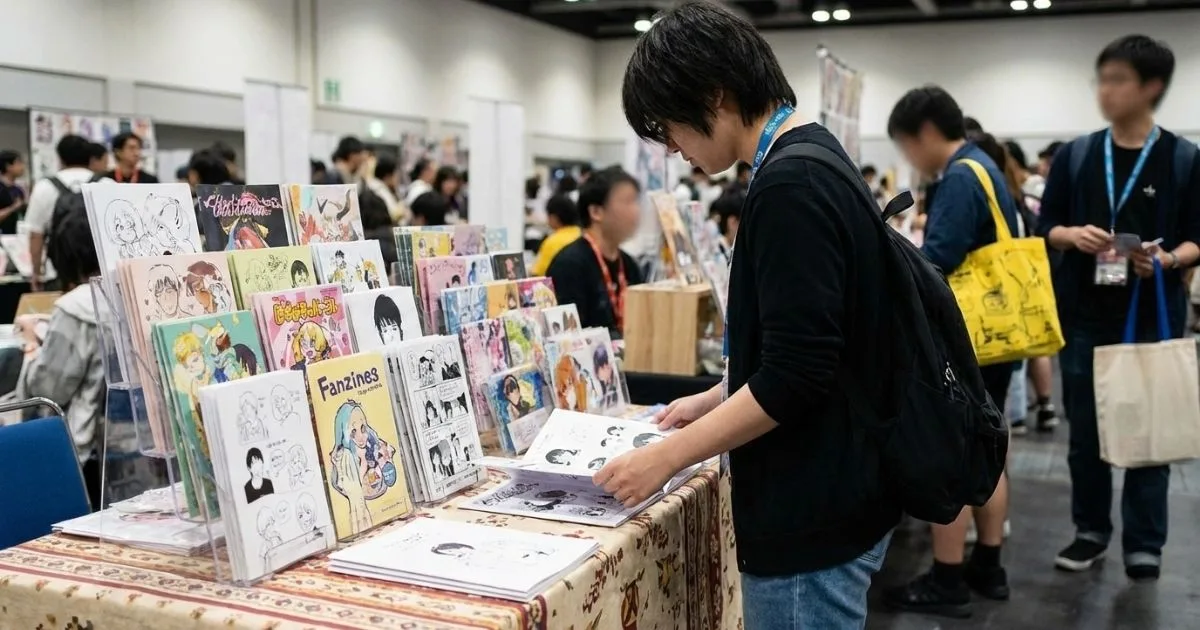
Many anime conventions also celebrate doujin creativity. Artists sell self-published books directly to readers. Consequently, fan interaction remains central to doujin culture.
How Doujen Moe Reflects Internet Fandom Trends
Modern fandom culture values accessibility and rapid content sharing. Platforms like Doujen Moe reflect this shift toward digital communities. Fans expect searchable archives and instant recommendations.
Additionally, niche communities now influence mainstream entertainment trends. Independent artists can gain large audiences through online exposure alone. This changes how manga culture develops internationally.
Safety Tips for Browsing Manga Archive Websites
Readers should follow basic internet safety practices when visiting archive platforms. Secure browsing reduces privacy and security risks.
Recommended Safety Practices
- Use trusted antivirus software
- Avoid suspicious pop-up advertisements
- Do not download unknown executable files
- Verify website authenticity carefully
- Support official creators whenever possible
These precautions improve overall browsing safety significantly.
The Future of Doujin and Digital Manga Platforms
Digital manga technology continues evolving rapidly. Official publishers increasingly offer international online releases. As a result, readers now access licensed manga faster than before.
However, fan-driven communities still play a major role in manga culture. Independent creators continue producing experimental and niche content. Therefore, doujin communities will likely remain influential for years.
Why Doujen Moe Continues To Be Discussed Online
Doujen Moe remains widely searched because anime fans constantly seek specialized manga resources. Archive-style platforms offer access to unique collections and community discussions. Additionally, the rise of global anime fandom keeps interest high.
At the same time, copyright awareness and official streaming services continue growing. Readers now balance accessibility with creator support. This creates ongoing debates within manga communities worldwide.
Conclusion
Doujen Moe represents a broader trend within online manga and doujin culture. It reflects how fans organize, discover, and discuss independent Japanese comics digitally. Additionally, it highlights the growing international influence of anime communities.
While archive-style platforms offer accessibility and preservation benefits, legal and security concerns remain important. Therefore, readers should browse responsibly and support official creators whenever possible. Doujin culture itself continues shaping modern manga creativity across global fandom spaces.
What is Doujen Moe?
Doujen Moe is an online platform associated with browsing and organizing doujin-style manga content.
How does Doujen Moe work?
It uses searchable categories, tags, and creator information to help users discover manga collections.
Is Doujen Moe legal?
Its legality depends on copyright permissions, licensing agreements, and local digital content laws.
Who can benefit from Doujen Moe?
Anime fans, manga readers, and people interested in doujin culture may find it useful.
Why is doujin culture popular?
Doujin culture supports independent creativity, experimental storytelling, and strong fan community interaction.
Read also: Eric Weinberger Wife: The Complete Story of Alexandra Kreisler