Why Scheduling Problems Often Start Before the Schedule Is Made
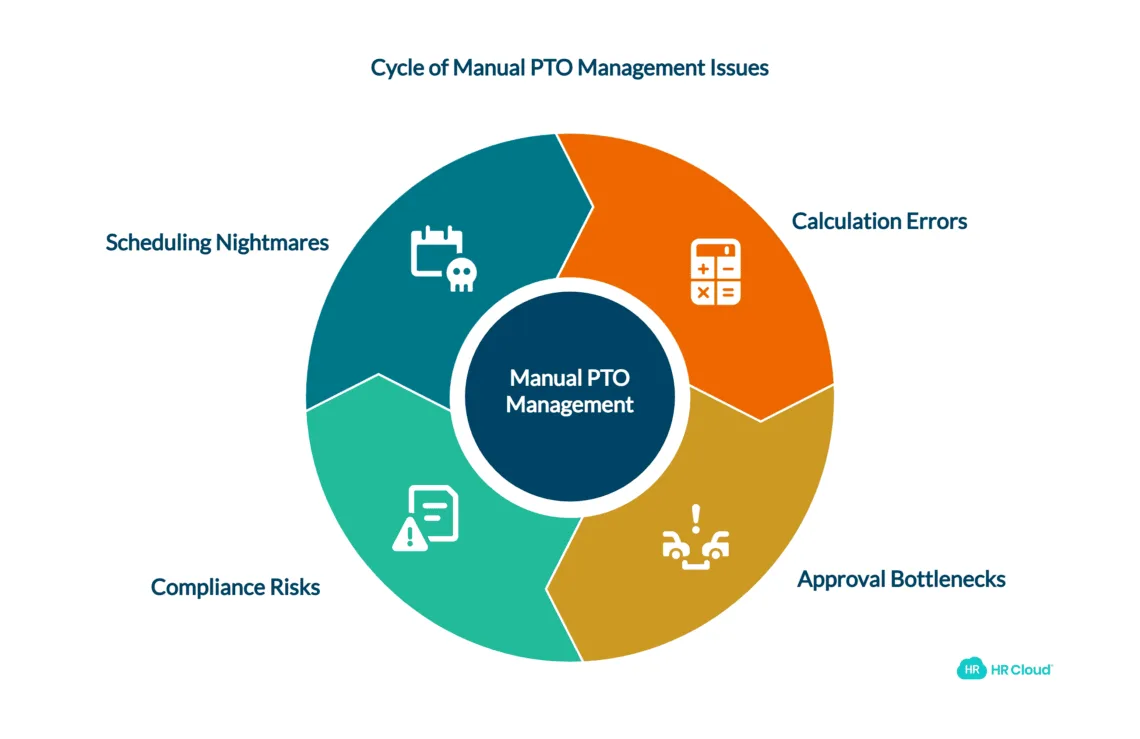
Most scheduling issues do not begin when a shift is published. They start much earlier, when time-off requests are scattered across emails, paper forms, text messages, and spreadsheets. By the time managers sit down to create the schedule, they are often working with incomplete information.
This lack of visibility creates unnecessary stress for supervisors and employees alike. Approved leave gets overlooked, shifts end up uncovered, and teams are left scrambling to fill gaps at the last minute. The result is a cycle of reactive scheduling that affects productivity, customer service, and employee morale.
The challenge is more common than many organizations realize. According to Gallup, 62% of U.S. employees report lacking predictable and stable work schedules, a factor that can negatively affect both engagement and performance.
Fortunately, scheduling chaos is not inevitable. By centralizing leave requests and employee availability into a single system, businesses can reduce errors, improve communication, and build schedules with greater confidence.
Why Manual Leave Tracking Creates Scheduling Problems
Many organizations still rely on a mix of spreadsheets, emails, paper forms, and verbal requests to manage employee leave. While these methods may seem manageable at first, they become increasingly difficult to maintain as teams grow.
Information often gets lost between departments. Human resources may have one record of an employee’s available leave balance, while a supervisor relies on another. Without a single source of truth, managers can unintentionally approve overlapping requests or schedule employees who are unavailable.
The financial consequences are significant. Unplanned absenteeism costs U.S. employers hundreds of billions of dollars annually, according to Forbes. Beyond the direct expense, businesses also face lost productivity, increased overtime costs, and disruptions to customer service.
Small Scheduling Errors Have Big Consequences
Even a single missed leave request can create problems across an entire operation. Managers may need to pull supervisors onto the floor, ask employees to work overtime, or operate with fewer staff than required.
These disruptions often affect more than labor costs. Customer wait times increase, service quality declines, and employees experience additional stress from covering extra responsibilities.
Research from Harvard Business Review found that a 1% increase in lateness and absenteeism was associated with a 2.3% decline in daily sales. When scheduling mistakes become frequent, the impact on revenue becomes difficult to ignore.
What Centralized Leave Tracking Actually Means
Centralized leave tracking creates a single location where managers and employees can access accurate, up-to-date leave information. Instead of relying on multiple systems and communication channels, everyone works from the same data.
This approach gives supervisors immediate visibility into approved leave, pending requests, and employee availability before schedules are created. It also helps human resources maintain accurate records without manually reconciling information from different sources.
Businesses looking to streamline scheduling and improve workforce visibility often benefit from implementing PTO management solution software that keeps leave balances, approvals, and employee availability synchronized in one place.
| Feature | Manual Leave Tracking | Centralized Digital Tracking |
| Data Visibility | Limited to individual spreadsheets or emails | Real-time access across authorized users |
| Approval Process | Slow and dependent on manual follow-ups | Automated routing and notifications |
| Scheduling Accuracy | Higher risk of conflicts and overlap | Availability updates automatically |
| Administrative Time | Requires constant verification | Streamlined review and approvals |
How Centralized Systems Prevent Scheduling Conflicts
The biggest advantage of centralized leave tracking is that it reduces the need for guesswork. Managers no longer have to remember conversations from weeks earlier or search through email chains to verify employee availability.
Instead, the system provides accurate information before schedules are published, helping leaders make informed staffing decisions.
Real-Time Visibility for Better Planning
Real-time access to leave balances and approved requests helps managers identify staffing challenges before they become emergencies.
If multiple employees request time off during a busy season, managers can see potential conflicts early and make adjustments accordingly. This visibility allows businesses to maintain appropriate staffing levels while still accommodating employee needs.
Employees also benefit from greater transparency. They can review balances, check request statuses, and plan time off without contacting HR for every update.
Automated Approvals and Notifications
Manual leave approval processes often create delays. Requests sit in inboxes, paperwork gets misplaced, and managers may not realize an employee is awaiting approval.
Automated workflows simplify the process. Requests are routed directly to the appropriate manager, notifications are sent automatically, and approval statuses are updated in real time.
This reduces administrative work while ensuring that scheduling decisions are based on current information.
Calendar Integration and Leave Categories
Modern leave management systems can integrate with workplace calendars, making approved absences visible across teams.
Managers can quickly identify who is available on a given day without checking multiple systems. Custom leave categories also help organizations track different types of absences, including vacation, sick leave, personal days, and bereavement leave.
Having this information readily available makes scheduling more accurate and reduces the likelihood of conflicts.
Mobile Access for Deskless Teams
Many employees do not spend their day at a desk. Workers in retail, healthcare, hospitality, and construction often need mobile access to workplace tools.
Mobile leave management allows employees to submit requests, check balances, and receive updates from their phones. Managers can review and approve requests wherever they are, reducing delays and improving communication.
This convenience helps eliminate many of the bottlenecks associated with traditional paper-based systems.
Supporting Employee Well-Being Through Better Scheduling
Effective leave management is not only about operational efficiency. It also has a direct impact on employee satisfaction.
When workers know their requests are being handled fairly and transparently, they are more likely to trust the process. They spend less time worrying about whether a request was received or if their available balance is accurate.
Reliable scheduling also helps prevent burnout. Teams that are consistently understaffed often experience increased stress and higher turnover rates. By ensuring adequate coverage and reducing scheduling conflicts, organizations create a more stable work environment.
A transparent leave process sends a clear message that employee time is valued. Over time, that trust contributes to stronger engagement and improved retention.
Conclusion
Scheduling problems often stem from poor visibility into employee availability. When leave requests are scattered across multiple systems, managers are forced to make decisions based on incomplete information, leading to conflicts, coverage gaps, and unnecessary overtime.
Centralized leave tracking eliminates much of this uncertainty by creating a single source of truth for both managers and employees. Features such as automated approvals, real-time visibility, mobile access, and calendar integration help organizations build more accurate schedules while reducing administrative work.
Beyond operational improvements, a centralized approach also supports employee satisfaction by creating a more transparent and predictable workplace. Businesses that modernize their leave management processes can spend less time resolving scheduling issues and more time focusing on growth, service quality, and team success.
Visit: kali puja countdown