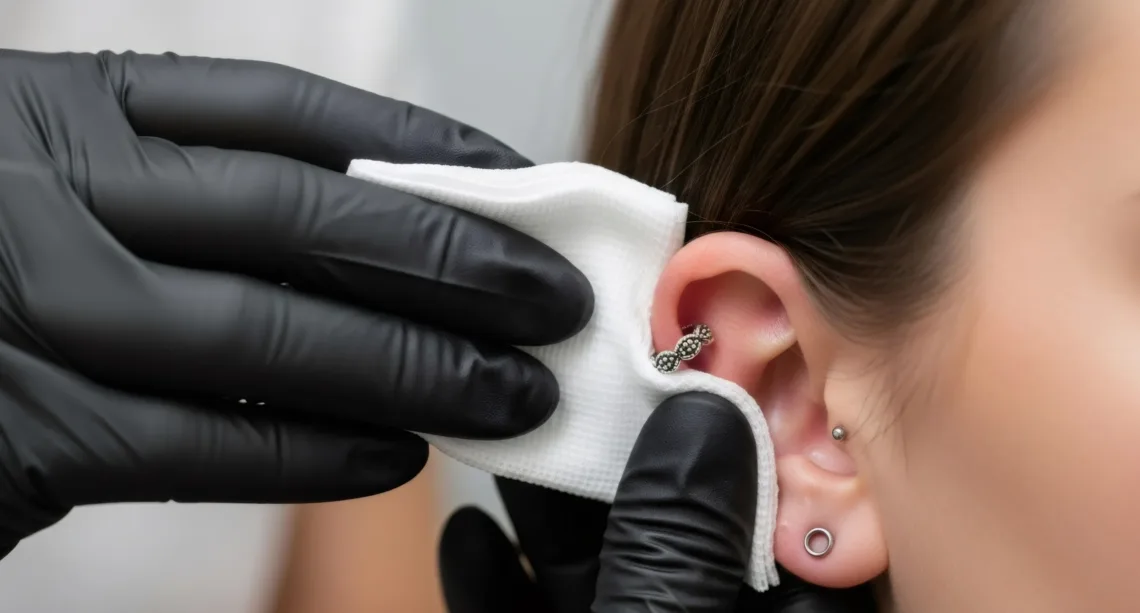
A safe and sterile ear-piercing environment depends on carefully managed hygiene practices, controlled tools, and responsible handling of every step in the process. When the environment is properly maintained, the chances of infection, irritation, or complications are significantly reduced. Clean surroundings, properly prepared instruments, and disciplined procedures work together to create conditions in which the skin can be pierced with minimal risk. Attention to detail matters from the moment a client enters the space until the procedure is completed and aftercare instructions are provided. Every surface, tool, and interaction contributes to overall safety. Consistency in hygiene routines also helps ensure that each client receives the same level of care and protection, regardless of the situation or the time of the visit.
Safe Piercing Standards Overview
- Controlled Workstation Setup
A controlled workstation setup plays a major role in maintaining a safe and sterile ear-piercing environment. The piercing area should be arranged to limit unnecessary movement and reduce exposure to external contaminants. Surfaces must be smooth, easy to disinfect, and free of clutter to ensure efficient cleaning before and after each client. Lighting should be adequate to ensure precision during the procedure, reducing the likelihood of errors that could compromise skin integrity. Proper organization of tools allows the practitioner to access instruments without repeatedly touching contaminated surfaces. Even seating arrangements are considered, as they should support stability for both the client and practitioner. Maintaining a structured environment helps reduce accidental contamination and supports a more predictable workflow in which hygiene is consistently upheld at every stage of the process.
- Proper Instrument Sterilization Methods
Sterilizing instruments is one of the most critical elements in ensuring a safe piercing environment. All reusable tools must undergo rigorous cleaning cycles to eliminate bacteria, viruses, and other harmful microorganisms. This process typically involves thorough washing, disinfection, and the use of high-temperature equipment designed to neutralize contaminants. Each tool must be stored in sealed, sterile packaging until it is ready for use. Tracking sterilization cycles helps ensure accountability and reduces the risk of oversight. Many studios also document their procedures digitally or through logs to maintain consistency.
A well-maintained website can sometimes be used to communicate these hygiene practices to clients, offering transparency about the steps taken to maintain cleanliness and safety standards. This helps build trust and reassures individuals that proper care is taken before any piercing begins. Consistent sterilization habits protect both clients and practitioners from avoidable health risks.
- Hand Hygiene and Practitioner Preparation
Hand hygiene is one of the simplest yet most effective ways to maintain a sterile piercing environment. Practitioners are expected to wash and sanitize their hands thoroughly before and after every procedure, including any time they touch non-sterile surfaces. Gloves are often used as an additional protective barrier, but they must be changed regularly to prevent cross-contamination. Proper preparation also includes wearing clean clothing and keeping hair secured to avoid accidental contact with the piercing area. Jewelry handling requires the same level of cleanliness to ensure that no external contaminants are introduced during the process.
Attention to personal hygiene extends beyond the procedure itself and becomes part of a consistent routine that supports overall safety. When these practices are followed carefully, the likelihood of introducing harmful microorganisms into the piercing site is significantly reduced, creating a safer experience for everyone involved.
- Use of Single-Use Piercing Equipment
Single-use equipment is widely regarded as an essential component in maintaining sterile conditions during ear piercing. Items such as needles, cartridges, and certain applicators are designed to be used only once and then properly discarded. This approach eliminates the risk of cross-contamination between clients and ensures that each procedure begins with completely uncontaminated tools. Packaging for these items is opened only at the time of use, further reinforcing safety standards. Proper disposal methods are equally important, with sharps containers and designated waste bins used to prevent accidental exposure.
By relying on single-use materials, piercing environments can significantly reduce the risk of infection and maintain higher hygiene standards. This method also simplifies the cleaning process between clients, allowing practitioners to focus more on precision and care rather than extensive reprocessing of tools.
- Cleaning Protocols for Clients
Client preparation is a key part of maintaining a sterile piercing environment. Before the procedure begins, the skin around the ear must be thoroughly cleaned with an appropriate antiseptic to reduce surface bacteria. This step ensures that the area being pierced is as free from contaminants as possible. Clients may also be asked to avoid touching the area beforehand or applying any cosmetic products that could interfere with cleanliness.
Clear communication about these steps helps ensure cooperation and understanding of the process. Proper cleaning techniques also extend to post-contact handling, where any adjustments or markings on the skin are made with sterile tools or disposable materials. These measures collectively support a controlled environment where infection risks are minimized and the piercing process can proceed under safe conditions.
- Air Quality and Environmental Control
Maintaining clean air and stable environmental conditions contributes significantly to a sterile piercing space. Proper ventilation systems help reduce airborne particles that may carry contaminants, while air purification methods can further enhance cleanliness. Temperature and humidity control also play a role in maintaining comfort and reducing conditions that could encourage bacterial growth. Regular cleaning of floors, counters, and surrounding areas prevents dust and debris from accumulating over time. Even small environmental factors, such as traffic flow in and out of the piercing area, are managed to limit unnecessary exposure.
By controlling these elements, the workspace becomes more predictable and less prone to contamination. This level of environmental awareness supports all other hygiene practices, creating a cohesive system that maintains cleanliness consistently across all aspects of the studio.
A safe and sterile ear-piercing environment relies on a combination of structured hygiene routines, controlled tools, and consistent attention to detail. Every aspect, from workstation organization to air quality and jewelry handling, contributes to reducing health risks and ensuring a smooth procedure. When these practices are followed correctly, they create a reliable system that protects both clients and practitioners. Cleanliness is not a single action but an ongoing commitment that must be maintained before, during, and after each piercing.
By maintaining consistent standards and reinforcing proper procedures at every stage, piercing environments can offer a safer, more comfortable experience with reduced risk of complications and improved overall outcomes.