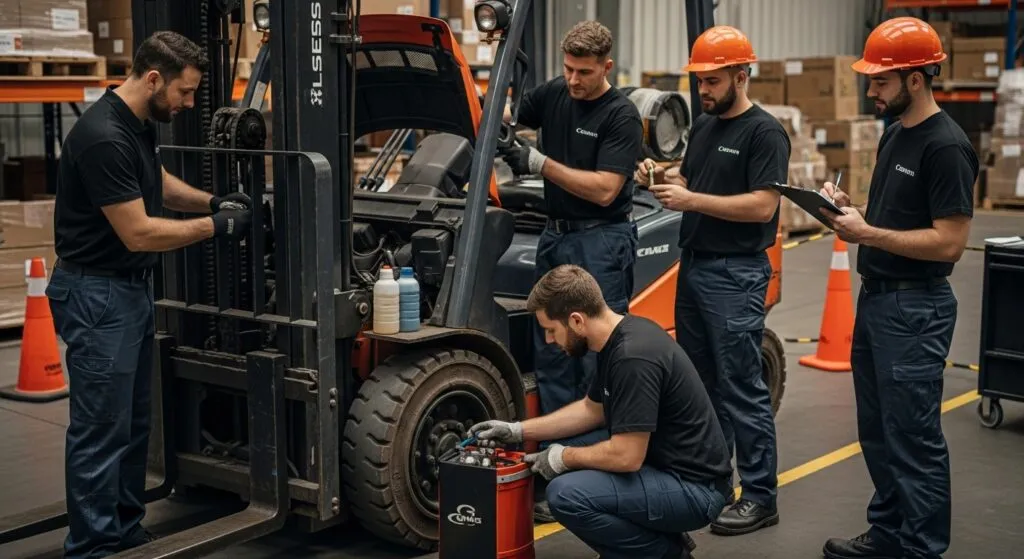
In today’s fast-moving industrial environment, businesses rely heavily on equipment that can handle demanding workloads efficiently and safely. Among the most important machines in warehouses, distribution centers, manufacturing plants, and construction facilities is the forklift.
These powerful machines are designed to lift, transport, and organize heavy materials with precision, making them an indispensable part of daily operations. However, like any mechanical equipment, forklifts require regular maintenance and professional attention to continue operating at peak performance. Without proper care, even the most advanced forklift can become inefficient, unsafe, and costly to operate.
The importance of consistent equipment upkeep cannot be overstated. Companies that invest in professional forklift service often experience fewer operational delays, lower repair costs, and improved workplace safety.
Proper maintenance ensures that forklifts remain dependable under demanding conditions while helping organizations avoid unnecessary downtime that can disrupt productivity. Businesses that neglect maintenance routines frequently encounter mechanical breakdowns that not only increase expenses but also compromise employee safety and operational efficiency.
Why Forklifts Are Essential in Industrial Environments
Forklifts operate in environments where precision and reliability are critical. Warehouses often run on strict schedules, and any interruption can lead to missed deadlines, delayed shipments, and dissatisfied customers. A malfunctioning forklift can halt operations for hours or even days, depending on the severity of the issue. This is why preventive maintenance has become a strategic necessity rather than an optional expense. By implementing scheduled inspections and servicing routines, companies can detect small mechanical issues before they develop into major failures.
Forklifts improve operational efficiency by reducing the amount of manual labor required to move heavy materials. They help businesses organize inventory more effectively, speed up loading and unloading processes, and maximize storage space within warehouses. Their versatility allows them to perform tasks in various industries, including retail, manufacturing, logistics, and construction. Without forklifts, modern supply chain operations would face significant delays and increased labor costs.
The Connection Between Maintenance and Workplace Safety
One of the most significant advantages of regular forklift maintenance is the enhancement of workplace safety. Forklifts carry heavy loads, maneuver through crowded areas, and operate in spaces where workers are constantly moving around.
A poorly maintained machine can create hazardous situations that may result in accidents or injuries. Brake failures, hydraulic leaks, worn tires, or steering malfunctions can all pose serious risks. Routine inspections conducted by trained technicians help identify these dangers early and ensure that the equipment meets safety standards at all times.
Workplace safety is not only about protecting employees from injuries but also about maintaining operational continuity. Accidents involving forklifts can damage goods, infrastructure, and equipment, leading to costly repairs and disruptions. Businesses that prioritize maintenance create a safer work environment while reducing the likelihood of unexpected incidents.
How Preventive Maintenance Reduces Long-Term Costs
Another important factor to consider is the financial impact of neglecting maintenance. Many business owners mistakenly believe that postponing repairs or skipping servicing appointments will reduce expenses.
In reality, ignoring minor mechanical issues usually leads to more severe damage that requires expensive repairs or complete component replacements. A small hydraulic leak, for example, can eventually damage the entire lifting system if left unresolved. Similarly, worn engine components can reduce fuel efficiency and place additional strain on the machine.
Investing in preventive maintenance ultimately saves money by extending the lifespan of the equipment and reducing emergency repair costs. Businesses that schedule regular inspections and servicing appointments often experience lower operating expenses over time because their equipment remains in better condition and performs more efficiently.
The Impact of Forklift Performance on Productivity
The performance of a forklift directly affects workplace productivity. When machines operate smoothly, employees can move materials quickly and efficiently without interruptions. Reliable forklifts contribute to better workflow management, improved inventory handling, and faster completion of tasks. On the other hand, equipment that frequently breaks down creates delays that impact the entire supply chain.
Workers may be forced to wait for repairs or manually handle tasks that are normally completed with mechanical assistance. Such inefficiencies can reduce output and increase labor costs over time. Companies that maintain their forklifts consistently enjoy more reliable operations and improved productivity across all departments.
Maintaining Electric Forklifts for Better Efficiency
Battery-powered forklifts have become increasingly popular due to their environmental benefits and lower operating costs. However, electric forklifts require specialized maintenance procedures to keep their batteries and charging systems functioning correctly.
Battery maintenance includes monitoring water levels, cleaning terminals, and ensuring proper charging cycles. Failure to maintain batteries properly can shorten their lifespan significantly and reduce overall machine performance.
Technicians trained in electric forklift systems understand how to optimize battery health while ensuring safe operation in industrial environments. Businesses that rely on electric forklifts should pay close attention to battery care because proper maintenance can dramatically improve energy efficiency and operational reliability.
Importance of Engine Care in Combustion Forklifts
Internal combustion forklifts also demand careful attention. These machines typically operate on diesel, gasoline, or propane and contain engines similar to those found in vehicles. Engine oil changes, filter replacements, cooling system inspections, and fuel system maintenance are essential for keeping these forklifts running efficiently. Regular servicing reduces emissions, improves fuel economy, and prevents engine overheating.
Businesses that prioritize proper engine maintenance often benefit from more reliable equipment and reduced operational disruptions. A well-maintained engine delivers smoother performance and minimizes the risk of sudden breakdowns that could halt operations.
Understanding the Role of Hydraulic Systems
Hydraulic systems are another critical component of forklift functionality. The hydraulic mechanism controls lifting, tilting, and load-handling capabilities. If the hydraulic system develops leaks or pressure issues, the forklift may lose lifting power or become unstable during operation. Professional technicians inspect hoses, cylinders, seals, and fluid levels to ensure that the hydraulic system operates safely and effectively.
Maintaining hydraulic integrity is vital because lifting failures can cause damage to goods, equipment, and surrounding infrastructure. Proper hydraulic maintenance also helps forklifts maintain precise control when handling heavy materials.
Why Tire Maintenance Should Never Be Ignored
Tires are often overlooked despite playing a major role in forklift stability and maneuverability. Worn or damaged tires can affect traction, balance, and steering control. Different work environments require different tire types, including cushion tires for indoor surfaces and pneumatic tires for rough outdoor terrain.Routine tire inspections help identify wear patterns and ensure that forklifts maintain proper stability during operation. Replacing tires at the appropriate time reduces the likelihood of accidents while improving handling performance and operator comfort.
Enhancing Operator Comfort and Efficiency
Operator comfort and efficiency also benefit from regular maintenance. Forklift operators spend long hours navigating industrial environments, and equipment that vibrates excessively or responds poorly can lead to fatigue and reduced concentration. Well-maintained forklifts provide smoother operation, responsive controls, and improved ergonomics.
Comfortable operators are more productive and less likely to make mistakes that could result in accidents or damaged inventory. Businesses that focus on operator experience often notice improvements in both safety and efficiency.Technology has transformed modern forklift maintenance practices in recent years. Many advanced forklifts now include onboard diagnostic systems that monitor machine performance in real time. These systems can detect irregularities in engine operation, battery health, hydraulic pressure, and other essential functions.
Technicians use diagnostic software to analyze performance data and identify issues before they escalate into serious problems. Predictive maintenance strategies powered by technology allow businesses to schedule repairs proactively rather than reacting to unexpected breakdowns.
Fleet Management and Maintenance Planning
Fleet management is another area where maintenance planning plays an essential role. Companies that operate multiple forklifts must coordinate servicing schedules carefully to ensure continuous productivity.
Organized maintenance programs help businesses monitor usage hours, track repair histories, and manage replacement timelines efficiently.Professional maintenance providers often offer customized plans tailored to the unique demands of different industries. Such programs ensure that every machine receives the attention it needs without disrupting daily operations.
Environmental Benefits of Proper Forklift Maintenance
Environmental responsibility has also become an important consideration in industrial operations. Well-maintained forklifts produce lower emissions, consume less fuel, and operate more efficiently. Businesses that invest in sustainable maintenance practices contribute to cleaner working environments while reducing their environmental footprint.Electric forklifts, in particular, support sustainability goals when maintained properly, as they generate zero direct emissions and require less energy-intensive operation compared to combustion-powered models.
Training is closely connected to effective maintenance strategies. Operators who understand proper equipment usage are less likely to place unnecessary stress on forklift components. Overloading, aggressive driving, and improper handling techniques can accelerate wear and damage critical systems.Businesses that provide comprehensive operator training alongside regular forklift service create safer and more efficient workplaces. Educated operators can also identify early warning signs of mechanical problems and report them before they worsen.
Seasonal Maintenance Considerations
Seasonal changes can affect forklift performance as well. Cold temperatures may reduce battery efficiency, thicken hydraulic fluids, and create starting difficulties for combustion engines. Hot weather can increase the risk of overheating and place additional strain on cooling systems.Maintenance programs should account for environmental conditions to ensure that forklifts remain reliable throughout the year. Seasonal inspections help prepare equipment for changing operating conditions and minimize weather-related issues.
The cost of replacing a forklift is significantly higher than maintaining one properly. Forklifts represent substantial investments for businesses, and maximizing their lifespan is essential for achieving a strong return on investment. Regular servicing preserves equipment value and delays the need for expensive replacements.
Companies that follow structured maintenance schedules often use their forklifts productively for many years without major operational issues. This long-term reliability helps businesses control costs and improve profitability.
Minimizing Downtime and Operational Disruptions
Downtime management is another critical factor in industrial productivity. Unexpected forklift failures can disrupt supply chains, delay shipments, and reduce customer satisfaction. Emergency repairs are often more expensive and time-consuming than planned maintenance visits.Businesses that prioritize preventive maintenance reduce the likelihood of sudden breakdowns and maintain smoother operational flow. Reliable equipment availability allows employees to focus on productivity rather than troubleshooting equipment problems.
Professional technicians play a vital role in maintaining forklift service performance. Certified mechanics possess the knowledge and experience required to diagnose complex issues accurately. They understand manufacturer specifications, safety regulations, and proper repair procedures.Choosing qualified maintenance professionals ensures that repairs are completed correctly and safely. Attempting unqualified repairs may create additional damage or compromise equipment integrity.
Conclusion
As industries continue evolving, the demand for efficient material handling solutions will only increase. Warehouses are becoming more automated, inventory systems more sophisticated, and customer expectations more demanding. Forklifts remain at the center of these operations, making their reliability more important than ever.
Ultimately, investing in professional forklift service is one of the smartest decisions a company can make for its material handling operations. Reliable maintenance programs protect equipment investments, enhance workplace safety, and ensure uninterrupted productivity. Whether operating electric models in indoor warehouses or heavy-duty combustion forklifts on construction sites, every business benefits from a proactive approach to equipment care.
In a competitive industrial landscape where efficiency and reliability determine success, maintaining forklifts properly is no longer optional. It is a strategic necessity that supports operational continuity, employee safety, and financial stability.
Businesses that recognize the value of preventive maintenance and professional forklift service gain a significant advantage by keeping their equipment dependable, efficient, and ready to perform under demanding conditions. Through regular inspections, skilled repairs, and ongoing operator education, companies can ensure that their forklifts continue serving as reliable assets for years to come.
As technology advances and industrial demands continue growing, the future of material handling will depend heavily on dependable equipment performance. Organizations that commit to high maintenance standards and professional forklift service will remain better prepared to meet these challenges while maximizing productivity and minimizing operational risks.
Read also: Madison Alworth Net Worth: Career, Biography, and Rise in Financial Journalism