Here is a story most sunbathers know too well. You and a friend spend the same week by the pool, slather on the same kind of product, and come home looking like two glossy bronze versions of yourselves. Two weeks later, your friend still looks like a holiday postcard. You? Back to your pre-vacation pale. What gives?
It is not unfair. It is biology. The lifespan of any tan, no matter how beautifully it develops, comes down to a quiet process happening just under your skin called cell turnover. Once you understand it, you can stop blaming bad luck for short-lived tans and start working with your skin instead of against it. The good news is that a few small habits before, during, and after sun exposure can stretch your glow from a few days to a few weeks.
The renewal cycle your tan is racing against
Your skin is constantly making and shedding cells. New cells are born deep in the basal layer of the epidermis, then slowly travel upward as they mature, harden, and eventually flake away invisibly at the surface. According to dermatologists, the entire cycle takes roughly 28 to 40 days for the average adult, and it slows significantly with age. A tan is just colour locked into those cells. Once they shed, the colour goes with them.
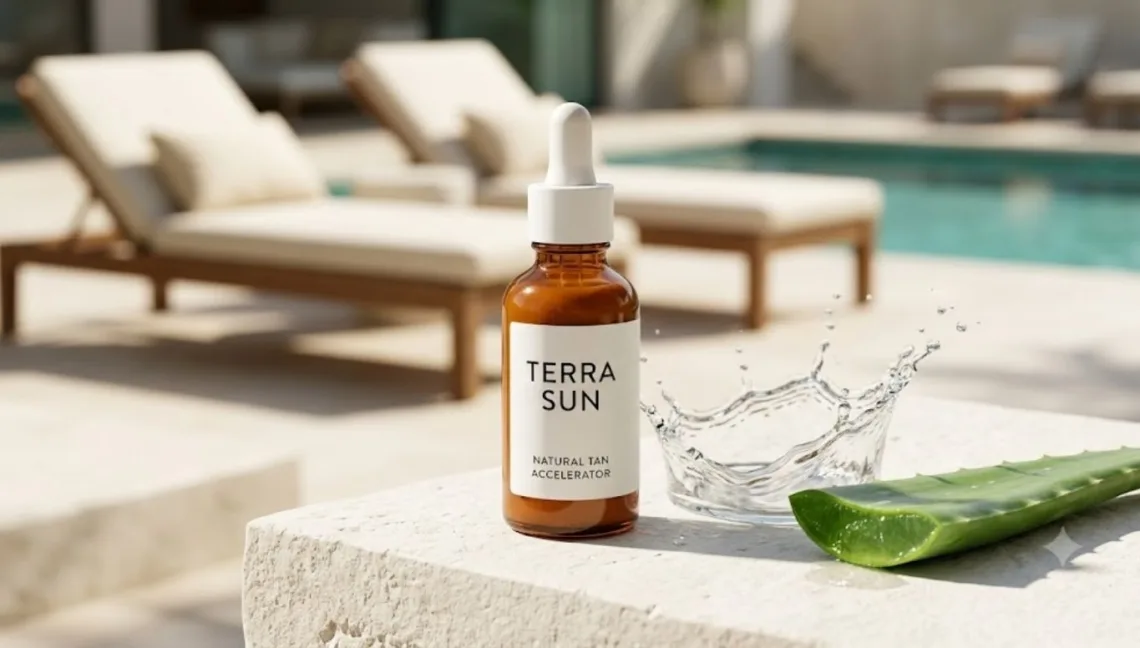
This is also why the right prep work matters so much. The deeper your tan sits in fresh, healthy, well-hydrated skin, the longer it has to live before those cells naturally turn over. Products like the right natural tan accelerator creams help develop a deeper base by supporting your skin’s own melanin response, so you start with more colour to lose in the first place. Pair good products with good habits and the math starts working in your favour.
If you want a head start on a longer-lasting glow, well-formulated natural tan accelerator creams can do a lot of the heavy lifting. They nourish the skin while stimulating melanin production, which means the tan you build is both richer and better supported by hydrated, healthy cells. A nourished tan fades slowly. A dry, parched tan flakes off in patches.
Why some tans vanish in a week
A few culprits are responsible when a tan disappears almost as fast as it arrived:
- Dry skin. Dehydrated skin sheds dead cells faster and unevenly. That is why patchy fade often hits the shins, knees, and elbows first.
- Hot showers. Long, steamy showers strip the natural oils that keep your skin barrier intact. The barrier weakens, the cells shed sooner, and the tan goes with them.
- Aggressive exfoliation. Scrubs, loofahs, and chemical exfoliants accelerate cell turnover. That is great when you want fresh skin. Less great when you are trying to keep colour.
- Chlorine and salt water. Both can dry the skin and lighten the tan over repeated exposure.
- Tight clothing, gym sessions, and even bedsheets create wear that gradually buffs tan off the surface.
How to prep before you tan
Lasting tans are not made in the sun. They are made in the days before.
Start with a gentle full-body exfoliation 24 to 48 hours before your first session. The goal is to remove the dull, dry top layer so that your tan develops on fresh skin you will actually keep around. Skip the harsh scrubs the day of tanning, as freshly exfoliated skin is more sensitive.
Hydrate inside and out. Drink water in the days leading up, and slather on a rich moisturizer the night before. Well-hydrated skin tans more evenly and holds colour longer than parched skin. If your knees, elbows, and feet tend to over-tan or look blotchy, give them extra moisture and they will absorb product instead of grabbing it in patches.
What to do during sun exposure
Burning is the enemy of a lasting tan. Burnt skin peels, and peeling skin takes your colour with it. Always wear broad-spectrum sunscreen, and apply your tan accelerator underneath as a primer for melanin production rather than as a replacement for SPF.
Build colour gradually across multiple sessions rather than baking yourself in one long stretch. A slow, steady tan develops deeper in the skin and lasts noticeably longer than a quick, surface-level scorch.
Sip water throughout your time in the sun. Tanning is genuinely dehydrating, and dehydrated skin will surrender its colour faster once you head indoors. A cooled water bottle next to your towel is one of the simplest upgrades to a tanning session that anyone can make.
Reapply your tan accelerator and sunscreen on the recommended schedule. Most people apply once at the start of a session and forget about it, but coverage thins out fast under heat, sweat, and a quick dip in the pool. Even tans come from even product distribution, not from hoping for the best.
Aftercare is where most tans live or die
The biggest mistake people make is treating their post-sun routine the same as any other day. It is not. The next two weeks are when you either lock in your glow or lose it.
Moisturize twice a day, every day. Look for ingredients like aloe vera, shea butter, and natural oils that replenish moisture and calm any residual heat in the skin. A hydrated barrier holds onto its tan for noticeably longer than a dry one.
Switch your showers to lukewarm and keep them short. Pat dry instead of rubbing. Save the aggressive body scrubs for once your tan is on its way out anyway.
Avoid anything that strips: harsh soaps, long pool sessions, and chlorinated hot tubs. If you do swim, rinse off and moisturize immediately afterward to limit the damage.
A glow worth keeping
Your tan is a living thing in a slow-moving race against your own cell turnover. You cannot stop the clock, but you can absolutely change the conditions. With smart prep, nourishing products that support your skin while it tans, and consistent aftercare, the glow you worked for can stick around far longer than the average.
Tanning is part biology, part ritual, part art. Get the science working for you and the rest takes care of itself.
Read more: Sun Jung Jung: the private South Korean woman behind Oliver Stone’s longest marriage