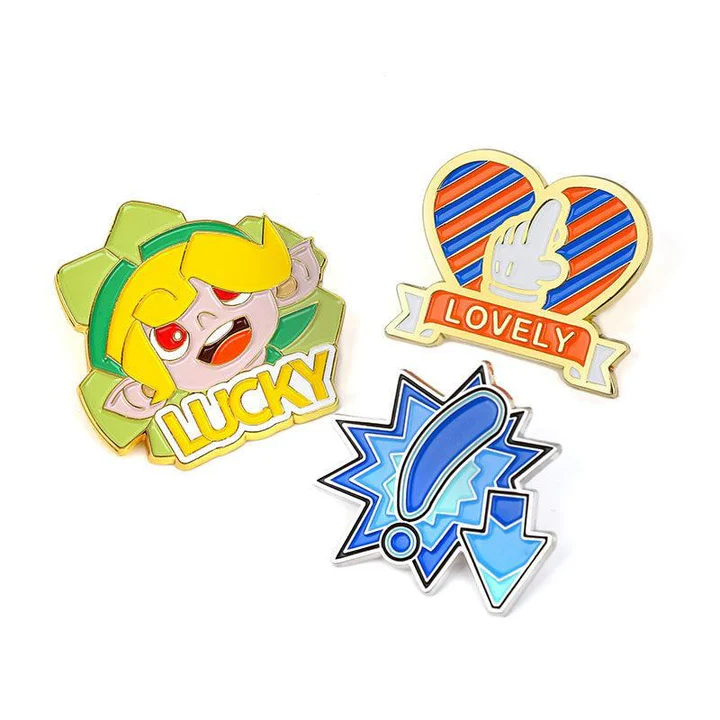
In recent years, the lapel pin has undergone a massive cultural Renaissance. No longer just a staple for corporate service awards or military uniforms, they have become a primary medium for independent artists, brand loyalists, and fashion enthusiasts to express their identity.
But have you ever looked at a tiny, polished piece of wearable art and wondered how it actually came to be? The journey from a digital sketch to a physical accessory is a blend of traditional craftsmanship and modern manufacturing. Here is everything you need to know about how custom enamel pins are brought to life.
1. The Creative Spark: Design and Vectorization
Every pin begins with an idea. Whether it’s a minimalist logo, a sprawling landscape, or a pop-culture reference, the first step is the concept.
However, unlike a digital illustration or a painting, pin design requires a specific technical approach. Because pins are made by pouring liquid enamel into metal recessed areas, colors cannot “bleed” into one another. Every color must be separated by a metal line.
- Simplification: Fine gradients and tiny details often need to be simplified to ensure they translate well to metal.
- Vectoring: Designers use software like Adobe Illustrator to create vector files. These files tell the manufacturing machines exactly where to stamp the metal and where to inject the color.
2. Choosing Your Style: Hard Enamel vs. Soft Enamel
Before production begins, you must decide on the “finish.” This is the most common fork in the road for anyone creating custom enamel pins.
Soft Enamel Pins
Despite the name, these pins aren’t soft to the touch. They are the most popular choice because they allow for more detail and are cost-effective.
- The Look: The enamel is painted into the recessed areas but not filled to the brim. When dry, the enamel settles, leaving the metal borders raised. This gives the pin a distinct, textured, 3D feel.
- Versatility: You can add a clear epoxy coating on top to protect the paint and give it a smooth finish.
Hard Enamel Pins
Often considered the “premium” option, hard enamel pins are durable and have a high-end, jewelry-like appearance.
- The Look: The enamel is overfilled into the recesses and then baked at a high temperature. Afterward, the pin is polished down until the enamel and the metal lines are at the exact same level.
- The Feel: The surface is completely smooth and flat.
3. The Manufacturing Process: Metal and Fire
Once the design and style are finalized, the physical creation begins. This is where the “Concept to Creation” magic truly happens.
Step A: Mold Making and Die Striking
A master mold (or die) is CNC-engraved with your design. This mold is then used to stamp your image onto a sheet of base metal—usually copper, brass, or iron. This process, known as die-striking, creates the raised metal borders and the recessed “wells” for the color.
Step B: Plating
Before the color is added, the pins are electroplated in a chemical bath to give them their metallic finish. Popular plating options include:
- Gold or Silver: For a classic, high-contrast look.
- Black Nickel: Great for “moody” or modern designs.
- Rose Gold or Rainbow Anodized: For a trendy, unique aesthetic.
Step C: Color Injection
This is the most meticulous stage. Using a syringe-like tool (sometimes automated, sometimes by hand), the colored enamel is injected into the tiny cavities of the pin. Each color is added one by one.
Step D: Baking and Polishing
The pins are placed in high-heat ovens to harden the enamel. For hard enamel pins, this is followed by a rigorous polishing process using abrasive wheels to ensure a mirror-like finish.
4. Finishing Touches: Backings and Packaging
A pin isn’t functional until it can actually be pinned! The final stage involves soldering the “post” (the needle) onto the back.
You also have choices for the clutches (the part that holds the pin in place):
- Butterfly Clutches: The classic metal squeeze-clips.
- Rubber Clutches: Often more comfortable against the skin and available in various colors.
- Deluxe Locking Backs: Best for expensive pins to ensure they never fall off a bag or jacket.
Why Custom Enamel Pins are the Ultimate Medium
Why has this specific medium stayed so popular? It’s because they bridge the gap between “merchandise” and “art.”
- Collectibility: The “limited edition” nature of pin drops creates a thriving community of traders and collectors.
- Durability: Unlike stickers or patches, a well-made enamel pin can last a lifetime.
- Low Barrier to Entry: For artists, creating custom enamel pins is an accessible way to turn a digital portfolio into a physical product line without the overhead of apparel printing.
Summary
From the initial vector lines to the final polish, the creation of an enamel pin is a testament to the beauty of small-scale manufacturing. Whether you are a business looking to boost brand awareness or an artist wanting to see your work in the hands of fans, understanding the craftsmanship behind the pin makes the final product feel that much more special.
Next time you see a pin on someone’s denim jacket, you’ll know exactly how much fire, metal, and artistry went into making it.
Also read: What Is Seekde? A Complete Guide to Smarter Digital Discovery (2026)