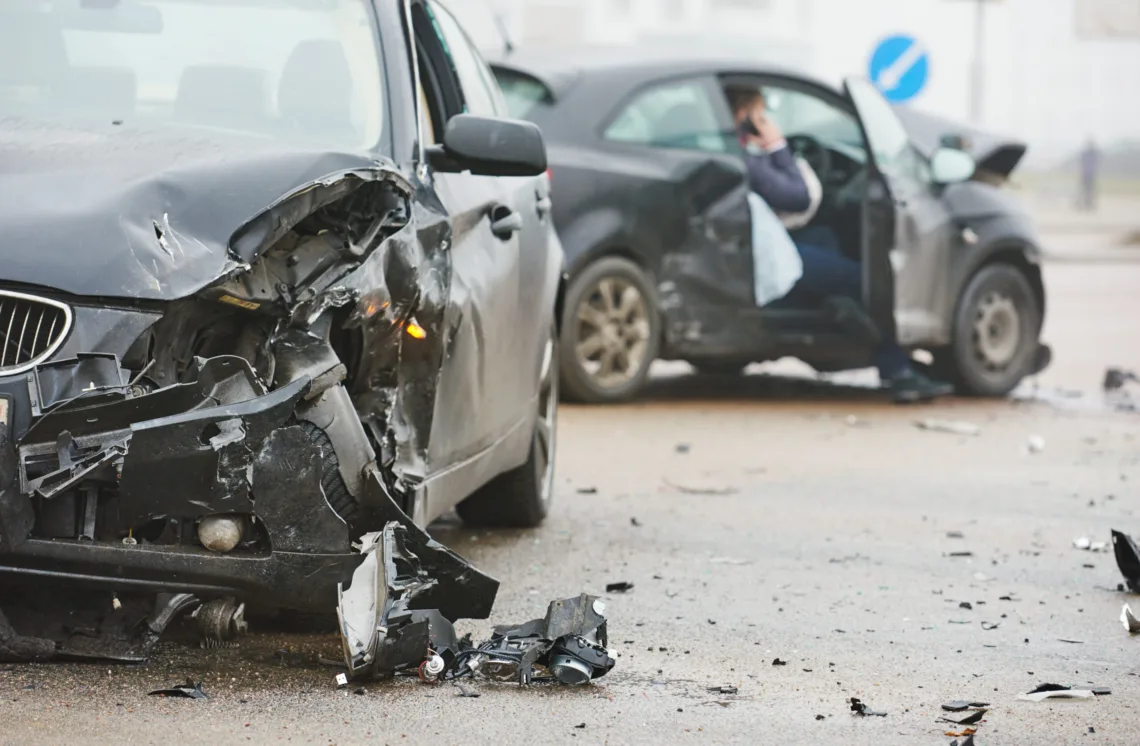
Evaluating responsibility after a crash involving several vehicles requires careful review of facts, timing, and human behavior on the road. Unlike simpler collisions, these incidents often involve overlapping actions where one mistake can trigger a chain of impacts affecting multiple drivers. Legal professionals examine how each vehicle interacted before, during, and after the collision to identify how responsibility should be assigned. This process involves studying physical evidence, driver statements, roadway conditions, and traffic regulations. Insurance companies may present conflicting interpretations of the same event, making accurate reconstruction even more important.
Every detail, from speed changes to braking patterns, contributes to understanding how the collision developed. By piecing together these elements, attorneys build a structured explanation of how liability may be distributed among those involved in the crash.
Key Factors in Liability Analysis
-
Reconstructing Crash Sequences
One of the first tasks in multi-vehicle collision evaluation is determining how the crash unfolded step by step. Lawyers carefully review photographs, video footage, and physical markings left on the roadway to identify the initial point of impact. This helps clarify whether the incident began with a rear-end impact, a sudden lane change, or an intersection failure. The positioning of vehicles after the crash also provides valuable insight into movement patterns during the event. Skid marks, debris distribution, and impact angles often reveal how force traveled from one vehicle to another in a chain reaction.
In many cases, accident reconstruction analysis is used to simulate the movements of each car leading up to the collision. These findings allow attorneys to separate primary causes from secondary impacts. Understanding this sequence is essential because liability often depends on identifying which action initiated the series of collisions and how subsequent drivers reacted under rapidly changing conditions.
-
Driver Conduct and Legal Duties
Driver behavior plays a central role in determining responsibility in complex roadway incidents. Attorneys review whether each motorist followed traffic regulations such as maintaining safe distance, obeying speed limits, and signaling lane changes properly. Distractions such as mobile phone use, fatigue, or inattention can significantly influence how a collision occurs and spreads across multiple vehicles. In many cases, attorneys also analyze whether a driver had enough time and space to react to sudden changes in traffic flow. Car Accidents involving multiple vehicles often highlight how one moment of negligence can set off a chain reaction that affects several unsuspecting motorists.
Legal evaluation focuses on identifying whether each driver acted reasonably under the conditions present at the time of impact. This includes assessing weather conditions, visibility, and traffic congestion, all of which may influence how quickly a driver can respond. Establishing these behavioral patterns helps determine how liability should be distributed among those involved.
-
Evidence From Road and Vehicle Damage
Physical evidence gathered from vehicles and the surrounding environment provides critical insight into how a multi-vehicle collision occurred. Attorneys examine dents, scratches, crushed panels, and paint transfer patterns to understand points of contact between vehicles. The direction and severity of damage often indicate the angle of impact, which helps identify which vehicle struck the other first. Modern vehicles also contain electronic data systems that record speed, braking activity, and steering input moments before a crash, offering valuable information for reconstruction. Roadway evidence, such as tire marks, broken glass, and scattered debris, helps map the movement of vehicles across lanes or intersections.
This information is often combined with photographs taken immediately after the incident to create a more complete picture of the collision. By comparing physical damage across all involved vehicles, attorneys can determine whether impacts were direct or secondary, which is essential for assigning responsibility in a structured and fair manner.
-
Witness Accounts and Official Reports
Statements from witnesses and documentation from responding officers often provide additional clarity in multi-vehicle collision cases. Witnesses may describe vehicle speeds, lane changes, or sudden braking moments that contributed to the crash. Attorneys carefully compare these accounts to identify consistencies and contradictions that may affect credibility. Police reports also serve as a foundational document, offering initial observations about the scene, roadway conditions, and driver statements. However, these reports may not capture the full sequence of events, especially when officers arrive after the collision has already occurred.
As a result, attorneys often supplement official records with surveillance footage or traffic camera recordings from nearby locations. These independent sources help verify or challenge claims made by drivers involved in the incident. Evaluating all available perspectives allows legal professionals to form a more balanced understanding of how the collision developed and which actions may have contributed most significantly to the outcome.
-
Shared Fault and Legal Allocation
In many multi-vehicle collisions, responsibility is not assigned to a single driver but shared among several parties. Legal systems in many jurisdictions allow comparative fault analysis, in which each driver’s level of responsibility is calculated based on their actions leading up to the crash. Attorneys evaluate whether multiple negligent behaviors combined to create the conditions for the collision. For example, one driver may have triggered the initial impact, while another may have failed to brake in time, worsening the outcome.
This shared responsibility model requires careful documentation of each driver’s contribution to the event. Insurance companies often use these assessments to adjust settlement amounts, which makes accurate analysis essential. Attorneys must ensure that fault percentages are supported by evidence rather than assumptions. In complex pileups, even minor misjudgments by several drivers can collectively result in significant damage, making the fair allocation of responsibility a detailed, evidence-based process.
-
Insurance Negotiation Dynamics
Insurance negotiations following a multi-vehicle collision often involve several companies working to minimize their financial exposure. Attorneys review policy limits, liability positions, and documented damages before engaging in settlement discussions. Each insurer may attempt to shift responsibility to another driver, creating disputes that slow down resolution. Legal representatives organize evidence such as medical records, repair estimates, and reconstruction findings to support their client’s position. In cases involving multiple injured parties, available coverage may not fully satisfy all claims, requiring careful prioritization of compensation.
Attorneys may also explore additional coverage sources when standard policies fall short. Negotiation strategies depend heavily on the strength of the evidence linking each driver to specific actions in the crash sequence. Clear documentation of liability helps reduce disputes and supports fair financial recovery for those affected by the collision.
-
Drawing Conclusions From Evidence Review
Determining liability in multi-vehicle collisions requires a structured and detailed review of all available evidence. Attorneys combine physical findings, driver behavior analysis, witness statements, and legal standards to build a comprehensive understanding of how the crash occurred. Each element contributes to identifying how responsibility should be divided among the parties involved. Because these incidents often involve overlapping actions and competing interpretations, careful evaluation is necessary to reach a fair outcome.
Insurance companies and legal representatives rely on this analysis to resolve claims and determine compensation. The process ensures that accountability is based on facts rather than assumptions, helping injured individuals understand how their losses are addressed within the legal framework governing roadway incidents.