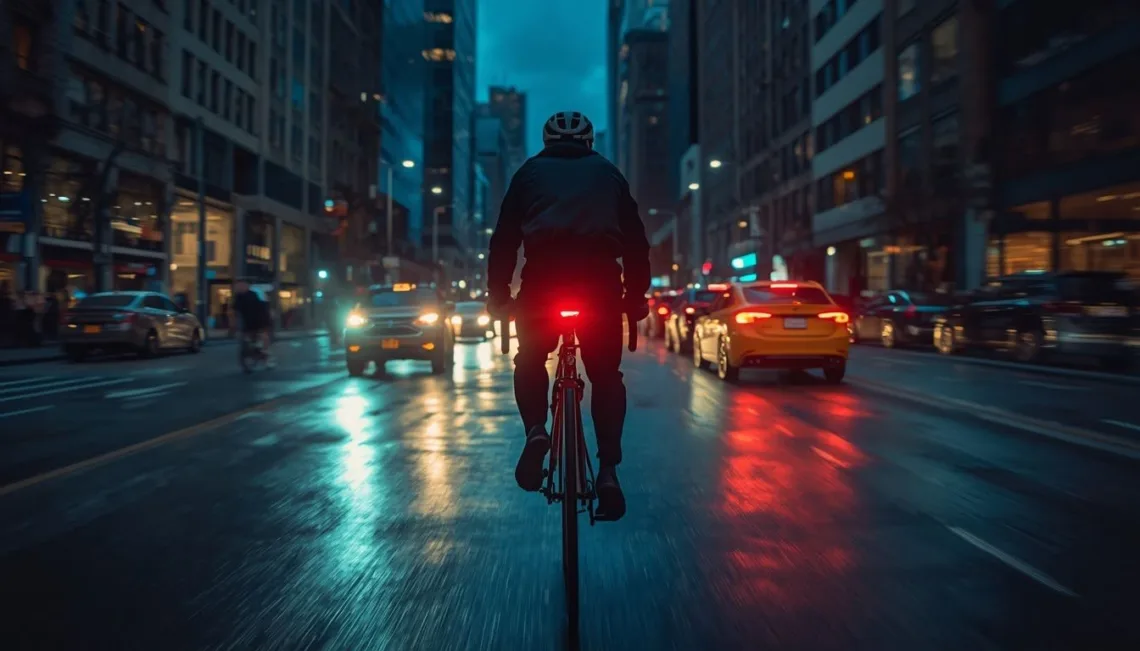
Urban cycling has quietly transformed from a simple commuting habit into a full-scale lifestyle movement that reflects how modern cities are changing. Today, cycling is not just about moving from one point to another. It represents freedom, sustainability, fitness, and a deeper connection with urban life.
From early morning rides through quiet streets to late evening journeys across illuminated cityscapes, cyclists are reshaping how mobility is experienced in contemporary environments. As this culture expands, visibility and safety have become central elements of the riding experience, especially with tools like bike rear lights playing an essential role in how riders navigate heavy and often unpredictable urban traffic.
In many global cities, cycling is now part of a broader cultural identity. People are choosing bicycles not only for health benefits or environmental concerns but also for the emotional experience of riding through dynamic urban landscapes. The rhythm of the city feels different on two wheels, more personal and more connected.
However, this freedom also comes with responsibility. Streets filled with cars, pedestrians, and shared transport systems demand heightened awareness from cyclists, particularly when light conditions begin to fade. This is where modern cycling technology becomes more than just equipment and turns into a necessity for survival and confidence on the road.
Night riding has become especially popular among urban cyclists who prefer quieter roads and cooler temperatures after sunset. But with this shift comes a growing need for smarter visibility solutions that ensure safety without compromising performance or comfort. Lighting systems are no longer simple add-ons. They have become essential tools that define how safely and confidently a rider can interact with the urban environment. In this evolving landscape, both front and rear lighting systems are shaping the future of cycling culture in ways that go far beyond basic illumination.
The Rise of Night Cycling in Modern Urban Culture
In cities across the world, cycling has extended far beyond daytime commuting routines. More people now choose to ride at night, whether for fitness, leisure, or simply to avoid daytime congestion. Night cycling offers a different emotional experience of the city where streets feel calmer, traffic is lighter, and familiar environments take on a new visual identity under artificial lights.
However, this growing trend also introduces new safety challenges. Reduced visibility, unpredictable road conditions, and limited reaction time require cyclists to depend heavily on reliable lighting systems. Modern riders understand that visibility is not optional in these conditions. It is the foundation of safe urban mobility after dark.
Why Visibility Has Become a Core Part of Cycling Identity
Cycling in modern cities is no longer just functional. It is expressive. Riders today care about how they move through urban spaces and how they are perceived within them. Visibility has become part of that identity because it reflects both safety awareness and lifestyle consciousness.
Clear lighting allows cyclists to communicate their presence to drivers and pedestrians, reducing uncertainty in traffic flow. This communication is essential in crowded urban environments where split-second decisions can determine safety outcomes. As a result, lighting systems are now considered an integral part of cycling culture rather than optional equipment.
The Role of Front Lighting in Urban Navigation
Urban environments are unpredictable. Even well-lit streets can have sudden shadows, potholes, construction zones, or sharp turns that require immediate visual clarity. This is where a front lamp bike becomes essential for modern riders.
A strong front lighting system helps cyclists maintain awareness of the road ahead while also ensuring they remain visible to oncoming traffic. Unlike older lighting models that offered limited brightness and narrow beams, modern systems provide wide-angle illumination and enhanced distance visibility. This allows riders to react faster and maintain better control over their movement in complex city environments.
Rear Visibility and Its Importance in Traffic Awareness
While forward visibility helps cyclists navigate, rear visibility ensures they are seen by others. In dense urban traffic, this is equally important for preventing accidents and improving road communication.
Modern lighting solutions are designed to make cyclists more noticeable from behind, especially in low-light conditions or during sudden stops. Many systems now include multiple flashing modes and broader light dispersion to improve recognition from vehicles approaching from the rear.
This balance between front and rear visibility creates a complete safety ecosystem that supports riders in all traffic situations.
Cycling Safety as Part of Modern Urban Design
Cities are increasingly investing in cycling infrastructure such as dedicated lanes, safer intersections, and improved road sharing systems. However, infrastructure alone cannot guarantee safety.
Personal safety equipment plays an equally important role in ensuring secure mobility. Lighting systems, in particular, bridge the gap between infrastructure and real-world riding conditions. They allow cyclists to remain visible even in areas where urban design is still evolving or inconsistent.
This integration of personal safety tools with urban planning reflects a more holistic approach to modern transportation.
Technology and the Modern Cycling Experience
Cycling today is deeply connected with technology. From lightweight frame materials to smart tracking systems and energy-efficient lighting, every aspect of cycling has become more advanced and performance-driven.
Lighting systems have evolved significantly as well. They now offer improved brightness control, energy efficiency, and durability in various weather conditions. Riders expect reliability in all environments, whether navigating busy city streets or quiet suburban roads.
This technological evolution reflects a broader trend where cycling is no longer just a physical movement but a connected lifestyle experience.
The Psychological Effect of Feeling Visible and Safe
One of the most overlooked aspects of cycling safety is psychological comfort. Riders who feel visible tend to ride more confidently, maintain better focus, and make smoother decisions on the road.
Proper lighting reduces anxiety in low-visibility conditions and allows cyclists to fully engage with their surroundings. It creates a sense of control and reassurance that directly improves riding quality and enjoyment.
This emotional layer of safety is one of the reasons lighting systems have become essential rather than optional in modern cycling culture.
The Social Side of Night Cycling in Cities
Night cycling is also becoming a social and cultural activity in many urban communities. Group rides, fitness events, and creative night photography sessions are increasingly common in cities where cycling culture is strong.
Lighting plays a key role in this trend, not only for safety but also for visibility within groups and aesthetic expression. Illuminated bikes create a strong visual identity that enhances the social experience of riding together.
Social media has further amplified this culture, turning night rides into visually engaging experiences that inspire others to join.
Final Thoughts
Urban cycling is evolving into a powerful expression of modern lifestyle, combining health, freedom, and sustainability in one movement. As cities continue to grow and traffic conditions become more complex, the importance of visibility and safety will only increase.
In this environment, lighting systems are no longer simple tools but essential parts of the cycling experience. Both bike rear lights and front lamp bike solutions play a critical role in ensuring that riders can move safely, confidently, and freely through urban spaces.
As cycling culture continues to expand across global cities, visibility technology will remain at the heart of this transformation, shaping not only how people ride but how they experience the modern urban world.
Read also: The Benefits of Window Tinting for Drivers in Fort Myers, FL