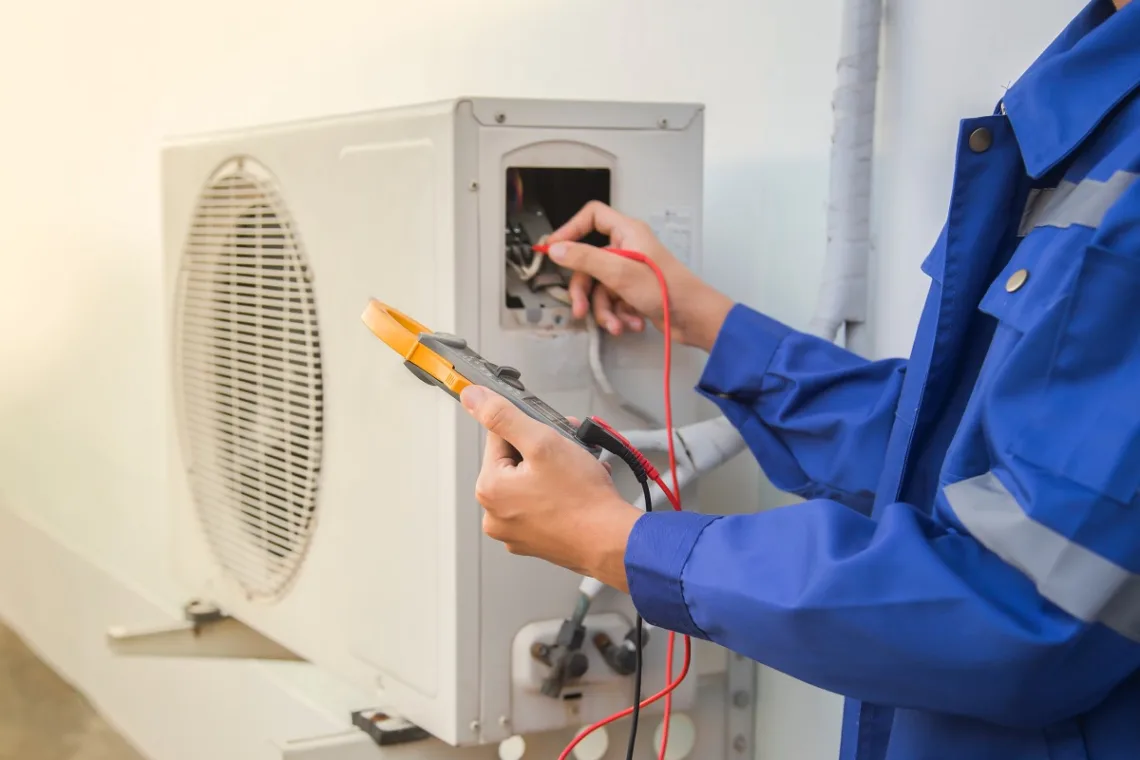
Your heating and cooling system is essential for maintaining comfort, clean air, and stable indoor conditions throughout the year. When problems begin, early signs often appear in airflow, temperature changes, or unusual system behavior. Ignoring these signs can lead to bigger faults and higher repair costs. Many homeowners notice issues only after the system becomes unreliable or stops working. Paying attention early helps prevent discomfort and protects the system from further damage. Knowing what to observe allows you to respond quickly and maintain a balanced, efficient home environment without unnecessary interruptions or costly breakdowns. Overall maintenance truly matters greatly.
Key Warning Indicators at Home
-
Weak Airflow and Temperature Imbalance
One of the earliest signs that your HVAC system requires attention is weak or inconsistent airflow throughout different rooms in the house. You may notice that some areas feel significantly warmer or cooler than others, even when the system is running continuously. This uneven distribution often indicates issues with the ductwork, filters, or internal components that restrict proper airflow. Over time, blocked vents or worn-out parts can place additional strain on the system, causing it to work harder than necessary.
This not only reduces comfort but also increases energy consumption and accelerates wear on the equipment. When airflow becomes noticeably weaker, it is a strong indication that professional attention is needed before the problem escalates into a complete breakdown that affects the entire system’s performance.
-
Strange Noises and Unusual Odors
Unusual noises or strange odors coming from your HVAC system should never be ignored, as they often indicate internal problems that require immediate attention. Sounds such as grinding, rattling, or squealing can suggest loose components, motor issues, or worn-out parts that may soon fail completely. In some cases, a burning smell may indicate overheating electrical components, while musty odors can signal moisture buildup or mold inside the system. These warning signs tend to worsen quickly if the system continues running without repair.
Contacting a local HVAC company in Peoria can help identify the root cause and prevent further damage to the system. Addressing these issues early reduces the risk of costly replacements and ensures safer operation throughout the home environment.
-
Thermostat Irregularities and Short Cycling
Inconsistent thermostat readings and short cycling are common indicators that an HVAC system is not functioning properly. When the thermostat fails to maintain the set temperature or responds slowly, it may signal wiring issues, sensor malfunctions, or internal communication errors within the system. Short cycling, where the system turns on and off frequently without completing a full heating or cooling cycle, places significant strain on components and reduces overall efficiency.
This behavior can also lead to uneven temperatures and increased energy usage. Over time, the repeated starting and stopping can cause unnecessary wear on the compressor and other vital parts. Homeowners may notice that comfort levels fluctuate more than usual, even when settings remain unchanged. These irregular patterns should be addressed quickly to restore proper function and prevent further deterioration of the HVAC system’s performance and reliability.
-
Rising Energy Bills Without Increased Usage
A sudden or unexplained increase in energy bills is often a hidden sign that an HVAC system is struggling to operate efficiently. When components are worn or airflow is restricted, the system must work harder and run longer to achieve the desired indoor temperature. This added strain leads to higher electricity or fuel consumption without any change in household usage habits. Many homeowners initially assume seasonal changes are responsible, but consistent increases can point to deeper mechanical issues. Dirty filters, failing motors, or duct leaks are common contributors to this inefficiency. If left unresolved, the system continues to lose performance while costs steadily rise.
Monitoring utility bills alongside system behavior can help detect early problems and prompt timely repair before energy waste becomes a long-term financial burden. Over time, ignoring these changes can also shorten the system’s lifespan and reduce indoor comfort levels across the home.
-
Moisture Problems, Leaks, and Frost Buildup
Moisture-related issues such as leaks, excessive condensation, or frost buildup on HVAC components are clear indicators that the system is not operating as it should. Water pooling near the unit or visible ice on coils can suggest refrigerant problems, clogged drain lines, or airflow restrictions. These conditions not only affect performance but can also lead to structural damage or mold growth if left unaddressed. When airflow is restricted, moisture is more likely to accumulate and freeze, creating additional strain on the system.
Similarly, leaks may indicate internal blockages or pressure imbalances that require attention. Homeowners should take these signs seriously, as they often indicate underlying mechanical faults that worsen over time. Prompt attention helps restore proper function and prevents secondary damage to surrounding areas within the home, including walls, ceilings, and flooring.
-
Frequent Repairs and Aging System Decline
When an HVAC system begins requiring frequent repairs, it is often a sign that it is approaching the end of its functional lifespan. Repeated breakdowns not only disrupt comfort but also indicate that multiple components are wearing out simultaneously. While occasional maintenance is normal, constant service calls suggest deeper underlying deterioration. Older systems may struggle to meet modern efficiency demands, leading to inconsistent performance and higher operating costs. At a certain point, continued repairs become less practical compared to addressing the root cause of the system’s decline.
Homeowners may notice that even after repairs, issues tend to reappear or shift to different parts of the system. Recognizing this pattern early allows for better planning and helps prevent unexpected failures during extreme weather conditions when reliable heating or cooling is most needed.
A properly functioning HVAC system is essential for maintaining comfort, safety, and efficiency in any home. When warning signs appear, such as uneven airflow, unusual sounds, rising energy costs, or moisture issues, they should not be overlooked. These indicators often point to developing problems that can worsen quickly if left unresolved. Taking timely action helps prevent more serious damage and reduces the likelihood of complete system failure.
Regular awareness of system behavior ensures that issues are addressed before they become costly or disruptive. Paying attention to these signs supports long-term reliability and keeps the indoor environment stable throughout changing seasons.